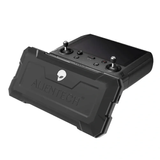
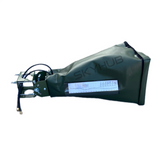
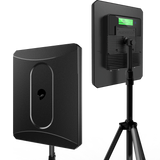
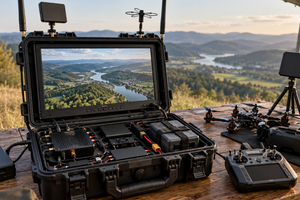
An FPV repeater is an intermediate radio communication device that receives a signal and retransmits it. In FPV systems, this technology can be used to establish an additional communication link for video data, telemetry or control information, provided that the equipment supports the required functionality.
When evaluating an FPV repeater, the most important factors are the types of signals it supports, compatibility with other equipment and the limitations of the selected communication architecture. Adding a repeater does not automatically guarantee a stable connection or increased transmission range under all conditions.
What Is an FPV Repeater and What Is It Used For?
FPV (First Person View) refers to controlling or observing a remotely operated platform using video transmitted from an onboard camera. In such systems, the video stream is delivered to a receiving device, while control commands may be transmitted through a separate radio channel.
An FPV repeater acts as an additional link in the communication system. Its purpose is to provide intermediate transmission of a compatible signal between devices that cannot communicate directly or operate within a multi-link communication architecture.
Signal retransmission is used not only in unmanned systems but also in professional radio communications, telemetry networks, industrial monitoring and other applications. However, equipment designed for one type of signal is not necessarily suitable for another.
How Does an FPV Repeater Work?
The basic operating principle involves receiving information at an intermediate point and transmitting it onward. Depending on its design, a repeater may process a radio signal, recover digital data or transfer information through another compatible interface.
Several signal processing approaches are commonly distinguished:
- Analog retransmission. Involves receiving and retransmitting an analog signal. The resulting signal quality depends on the equipment specifications and the condition of the original signal.
- Digital retransmission. Processes digital data and requires support for the relevant protocols, formats and interfaces.
- Network-based transmission. Uses intermediate communication nodes to deliver data within a compatible network infrastructure.
An FPV repeater should not be considered a universal device for every FPV system. For example, the ability to receive a particular video signal does not necessarily mean that the device supports control commands or telemetry transmission.
What Components Are Included in an FPV Repeater Kit?
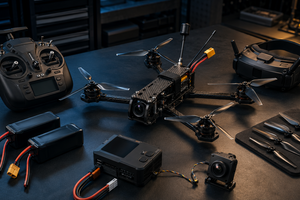
The components of an FPV repeater kit depend on the manufacturer, system architecture and intended application. There is no universal configuration that applies to every FPV repeater.
Main Electronic Module
Performs the signal reception, processing and transmission functions specified by the manufacturer. Its capabilities depend on the hardware platform and software.
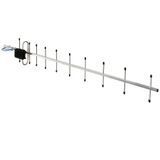
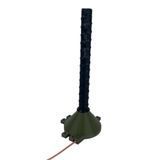
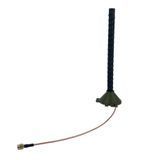
Antenna Equipment
Enables radio modules to transmit and receive electromagnetic signals. Antenna type, connectors and electrical characteristics must comply with the documentation for the specific device.
Power Supply
The power source and associated components provide electricity to the electronic modules. Power requirements are defined by the equipment manufacturer.
Housing and Connection Components
Protect the internal components and provide the connections required by the design. Their configuration depends on the operating environment and specific model.
Some products are supplied as complete devices, while others are sold as individual functional modules. Therefore, it is important to distinguish a complete repeater kit from a standalone component before purchasing.
FPV Repeater vs. Signal Amplifier vs. Antenna: Key Differences
These devices are all associated with radio communication, but they perform different functions. Their names should not be used interchangeably.
| Equipment | Main Function | Key Difference |
|---|---|---|
| Repeater | Intermediate information transmission | Creates an additional communication link |
| RF Signal Amplifier | Amplifies a signal within the device's specified operating parameters | Does not necessarily decode or regenerate transmitted data |
| Antenna | Transmits or receives electromagnetic waves | Does not independently retransmit information |
To better understand these differences, explore the relevant SKYHUB categories: active antennas and signal amplifiers and antennas. These are related equipment categories, but their products should not automatically be considered complete repeater systems.
Key Specifications to Consider When Choosing an FPV Repeater
Choosing an FPV repeater begins with reviewing its intended purpose and technical documentation. Instead of focusing solely on advertised transmission range, priority should be given to whether the equipment meets the requirements of the intended system.
- Supported signal type. Determine whether the device is designed for analog video, digital data transmission, telemetry or other functions.
- Protocol compatibility. Devices designed for similar applications do not necessarily support the same communication protocols.
- Transmission latency. Additional processing and intermediate communication links may increase data delivery time.
- Electrical specifications. Power requirements, interfaces and permitted operating modes must comply with the manufacturer's documentation.
- Operating conditions. Temperature limits, enclosure protection and cooling requirements determine the environments in which the device can be used.
- Documentation and package contents. Check the exact model designation, included components and any manufacturer-specified limitations.
It is particularly important to distinguish physical connector compatibility from data transmission compatibility. Even when devices use the same interface, they may rely on incompatible protocols or data formats.
Limitations of FPV Repeaters
Adding an intermediate communication link introduces additional technical dependencies. Overall transmission quality depends not only on the repeater's specifications but also on the condition and performance of every link in the communication system.
The main limitations include:
- Additional latency caused by signal processing and retransmission.
- Dependence of the overall system on intermediate equipment.
- Potential incompatibility between digital protocols and video transmission formats.
- Power supply requirements and environmental operating restrictions.
- The influence of radio interference, physical obstacles and other factors affecting radio wave propagation.
Therefore, claiming that installing an FPV repeater will always increase communication range is inaccurate without specifying the equipment, operating conditions and measurement results.
How to Evaluate an FPV Repeater Kit Before Purchasing
When comparing ready-made products, it is useful to request the manufacturer's technical datasheet or specification. This helps distinguish documented characteristics from general marketing descriptions.
What to confirm with the supplier:
- The full model name and manufacturer.
- The device's intended application and supported data types.
- Documented compatibility with the existing system.
- The complete list of components included in the package.
- Power supply, operating and maintenance requirements.
- Availability of technical documentation and manufacturer-defined limitations.
If a supplier cannot confirm compatibility or the contents of the package, evaluating a product based solely on the term "FPV repeater" is insufficient.
What Determines the Price of an FPV Repeater?
The price of an FPV repeater depends on its functionality, electronic platform complexity, supported interfaces, enclosure design and package contents. A standalone electronic module and a complete repeater kit represent different product configurations.
When comparing prices, make sure the products have similar intended applications and comparable configurations. Without verified specifications and current product offers, providing a universal price for an FPV repeater would be misleading.
Safety and Legal Considerations
Radio communication equipment must be purchased and operated in compliance with applicable Ukrainian legislation, radio spectrum regulations and restrictions relevant to the specific equipment and operating conditions.
For specialized systems, equipment selection and compatibility assessment should be handled by qualified professionals. Technical specifications alone do not establish whether a particular application is legally permitted.
FAQ: Frequently Asked Questions About FPV Repeaters
What is an FPV repeater in simple terms?
An FPV repeater is an intermediate communication device that receives a compatible signal and forwards the information. Its specific functions depend on the model and technology used.
Can one FPV repeater transmit both video and control signals?
Only if the device is specifically designed for these functions and the manufacturer confirms this capability. Support for video transmission does not automatically mean compatibility with the control channel.
What is the difference between an FPV repeater and a signal amplifier?
A repeater provides intermediate information transmission, while an amplifier increases signal strength within its technical capabilities. These are different functions, although some devices may combine multiple radio communication operations.
Is every repeater compatible with digital FPV systems?
No. Compatibility with the relevant protocol, data format and interfaces must be confirmed. Similar product names or individual specifications do not guarantee compatibility.
What is usually included in an FPV repeater kit?
Package contents vary by product. A kit may include an electronic module, antenna components, power supply components, a housing and connection accessories, but each component must be verified against the product specification.
Does an FPV repeater guarantee increased communication range?
No. The result depends on equipment compatibility, system specifications, radio wave propagation conditions and other factors. There is no universal guarantee of increased communication range.