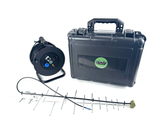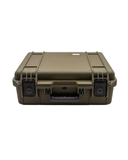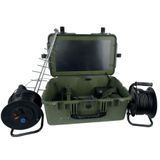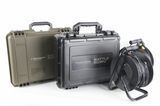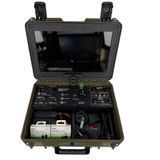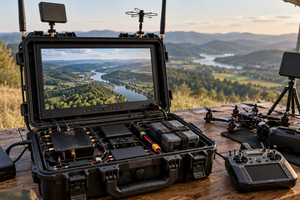
An FPV ground station is not just a single accessory. It is an operator workstation that combines control, video reception, power supply, antennas, a display or FPV goggles, mounts, cables and additional modules. The quality of the setup affects operating comfort, signal stability, autonomy and compatibility between all components.
For military units, volunteer foundations, B2B buyers and technical specialists, the key task is not to purchase random separate items, but to receive a coordinated and compatible system. SkyHub helps select, supply, configure and complete FPV ground stations for specific equipment, operating conditions and documentation requirements in Ukraine.
What is an FPV ground station?
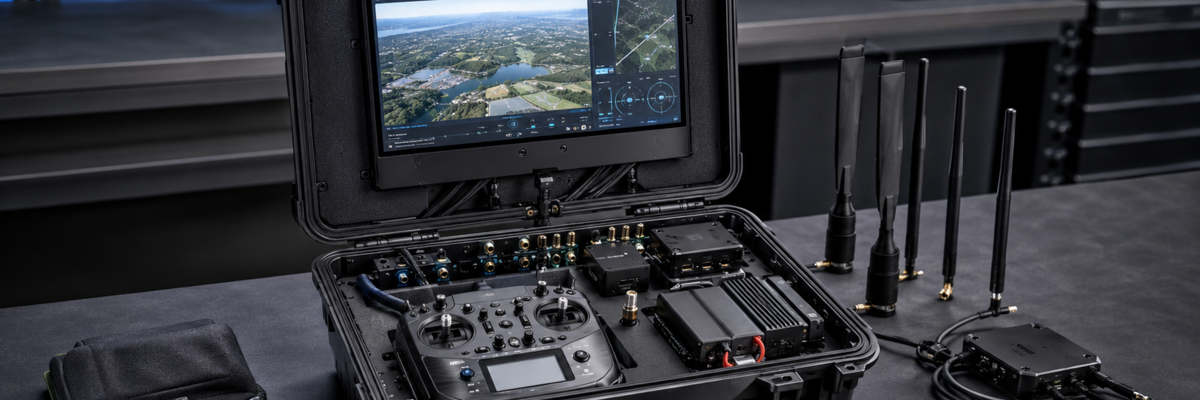
An FPV ground station is the ground-based control center for an unmanned system. It provides the operator with a structured workspace for receiving video, controlling the drone, connecting antennas, powering equipment and monitoring the system’s basic operating status. In a simple configuration, it can be a compact mobile kit. In a more advanced format, it can be an engineered case-based solution with separate power, protected connectors, mounted modules, external antennas and reserve components.
The main purpose of such a station is to reduce technical uncertainty. When a controller, receiver, screen, batteries, cables and mounts are selected separately without a compatibility check, typical problems appear: insufficient power, weak connections, unnecessary weight, unsuitable connectors, poor ergonomics or unstable operation of individual modules.
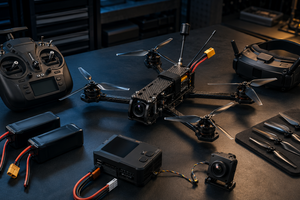
What a working ground station kit may include
The exact configuration depends on the FPV drone type, the operator’s equipment, mobility requirements and desired autonomy. During selection, it is important to evaluate not only individual specifications, but also how the components work together as one system.
- Controller or control system — selected according to drone compatibility and the operator’s preferred control logic.
- Video reception unit — may include a video receiver, monitor, FPV goggles or another display option.
- Antennas and mounts — chosen according to the station format, equipment layout and connection reliability requirements.
- Autonomous power supply — batteries, charging solutions, power distribution and backup power sources.
- Cables, adapters and connector protection — a critical part of the setup that is often underestimated during self-assembly.
- Protective case or mounting platform — helps transport the system safely and prepare it for use without chaotic on-site wiring.
Available solutions can be found in the section with FPV ground stations and unmanned system equipment. SkyHub specialists can also help verify compatibility and form a configuration for a specific operational requirement.
How to choose an FPV ground station
The selection process should start not with the question “which model is better”, but with a clear technical requirement. For one customer, compact size is the priority. For another, autonomy is more important. For a third, the station must integrate with existing controllers, antennas, batteries or communication equipment.
Common mistakes during self-assembly
An FPV ground station may look simple at first glance, but many issues appear after purchase. In most cases, the problem is not the quality of a single device, but the fact that all components were not planned as one integrated system.
- Buying without checking connectors. This often leads to extra adapters, weaker connections and a less reliable setup.
- Underestimating power requirements. Buyers may count only the main module and forget about the display, receiver, peripheral devices and backup reserve.
- Choosing an overly heavy configuration. The station may be functional, but inconvenient to transport and prepare for work.
- Poor equipment protection. Cables, antennas and screens can be damaged during transport if the case and mounts are not planned properly.
- Selecting by specifications only. Extra features can increase cost, weight and service complexity without solving the real task.
Practical value of proper configuration
A properly configured FPV ground station reduces random failures, simplifies maintenance and helps prepare the kit faster. For a technical specialist, this means a predictable connection scheme, a clear power reserve and fewer incompatible components.
For a procurement manager or volunteer foundation, it reduces the risk of buying mismatched devices, duplicated elements or equipment that will require additional modification after delivery.
When to request expert selection instead of assembling a kit blindly
Professional consultation is especially important when the station is intended not for a single test kit, but for regular operation, transfer to a unit, procurement through a foundation or a corporate order. In these cases, a compatibility error affects not only the budget, but also implementation time.
- You already have part of the equipment and need to understand what is compatible with it.
- You need a kit for a specific format: mobile, stationary, case-based or modular.
- Autonomous power and energy reserve are important.
- Documents are required for a foundation, company or organization.
- Several identical kits must be supplied with the same assembly logic.
Why SkyHub treats a ground station as an engineering solution
SkyHub does not approach ground stations as a simple list of separate catalog items. For this category, the important part is the complete chain: selection, supply, compatibility check, setup, service and documents in one place. This helps the customer receive not a random set of devices, but a clear system that can be maintained, expanded and standardized.
- Integrated selection. The drone, control system, video reception, power, antennas, cables and transport format are considered together.
- Compatibility verification. Specialists help avoid component conflicts and unnecessary purchases.
- Delivery across Ukraine. Customers can clarify availability, configuration and delivery terms for Kyiv and other cities.
- B2B and foundation support. Solutions are selected with procurement requirements, kit contents and supporting documents in mind.
- Technical support. Consultation is available for operation, maintenance and component replacement.
Frequently asked questions about FPV ground stations
What does an FPV ground station include?
A typical kit may include control equipment, video reception, a screen or FPV goggles, antennas, power supply, cables, mounts and a protective case. The exact configuration depends on the task and existing equipment.
Can a station be assembled from components that are already available?
Yes, if the components are compatible in terms of power, connectors, connection logic and operating format. Before adding new equipment, it is advisable to check the full component list.
What is more important: antennas, power or display?
The balance of the entire system is more important than one separate item. Weak power supply, unsuitable cables or an inconvenient display can limit the station even if the main modules are well selected.
How is a case-based station different from a regular equipment set?
A case-based station is more convenient for transport, storage and fast connection. It also helps protect the screen, cables, connectors, power modules and additional equipment from damage.
Where can I order an FPV ground station in Ukraine?
SkyHub can help clarify availability, configuration, component compatibility and delivery terms across Ukraine. For foundations and B2B customers, supply format and documentation can also be coordinated.
Need to configure an FPV ground station for your task?
Describe what equipment you already have, what station format you need and which requirements are critical: autonomy, protective case, compatibility, power supply, documents or delivery of several identical kits.
A SkyHub specialist will help form a compatible configuration without unnecessary components, clarify availability and coordinate delivery across Kyiv and Ukraine.