




|
Quantity
|
Out of stock
|
||
|
|
|||
|
|
|||
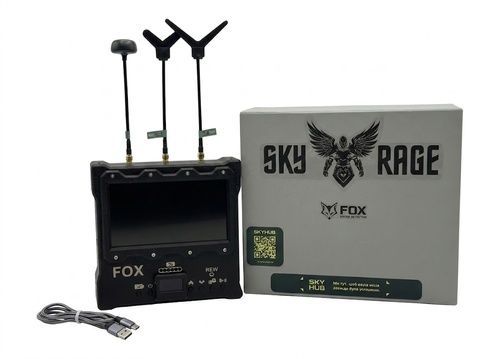
A drone detector is a receiving device that monitors the radio-frequency spectrum within supported bands and alerts the user to signals that may originate from UAV control, telemetry, or video transmission links. It can help identify FPV drone radio activity at an earlier stage, but it does not replace radar, visual observation, or other monitoring systems.
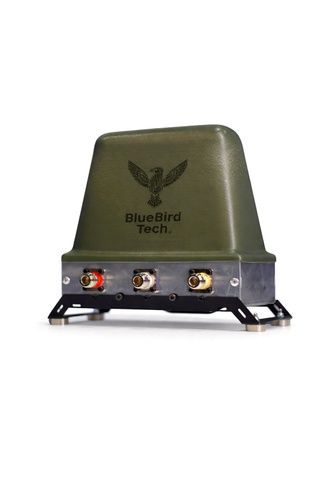
The SKYHUB category includes portable FPV drone detectors, models with audible or on-screen alerts, spectrum analysis or video interception, and kits with remote antennas. To buy a drone detector for specific operating conditions, compare not only the number of supported bands but also the signal analysis method, antenna type, battery life, and supplied equipment.
What is a drone detector and how does it work?
An FPV drone detector receives radio signals within a specified frequency range and analyses them using the detection method implemented in the particular model. When the device identifies activity that matches its configured criteria, it generates an audible, visual, vibration, or on-screen alert. Some models can also display the detected frequency, received signal strength, or footage from a compatible analogue video channel.
Most radio-frequency detectors operate passively: they receive emissions instead of producing interference. The device detects an active radio link rather than the physical aircraft in the air. An autonomous UAV that is not transmitting data, a signal outside the supported frequency range, or a weak transmission may therefore remain undetected.
Operating principle and built-in radio signal analyser
The receiver module scans specified frequencies and evaluates signal parameters. Its capabilities depend on the design: basic devices report when a configured threshold is exceeded, while drone detectors with a spectrum analyser display activity across the frequency spectrum and provide additional data for assessment.
A peak on the spectrum display does not always confirm the presence of a drone because other transmitters may operate within the same bands. Detection results are also affected by the antenna, radio interference, terrain, buildings, device orientation, and alert threshold settings.
Which frequencies can an FPV drone detector identify?
Depending on the model, a detector may monitor selected frequency bands or a broader section of the radio-frequency spectrum. Bands commonly listed in the specifications of UAV detectors and communication systems include:
- 433 MHz;
- 868–915 MHz;
- 1.2–1.3 GHz;
- 2.4 GHz;
- 3.3 GHz;
- 5.8 GHz.
This list does not apply to every device. For example, the catalogue includes three-band drone detectors as well as models with different frequency coverage. Check the exact limits and supported bands in the specifications of the selected product before ordering.
Difference between a detector and a jamming system
A detector is designed to identify radio activity and issue an alert. It does not block drone control signals or disrupt a video link. Passive signal reception does not create radio-frequency interference for nearby equipment.
A jamming system, by contrast, generates radio-frequency interference within specified bands. It is a different type of equipment with separate requirements for power, installation, and authorised use. A detector and a jamming device may perform different functions within a larger system, but one does not replace the other.
Types of devices — which drone detector should you choose?
The most practical way to compare drone detectors is by the information they provide and the frequency bands they support:
- Drone detectors with audible alerts notify the user without requiring constant monitoring of the display. The available indication methods depend on the model.
- FPV drone video interceptors receive a compatible video signal and display the image on a screen. They work only with supported video transmission types and frequencies.
- Models with a spectrum analyser display radio-frequency activity and require either an understanding of the on-screen readings or correctly configured automatic alerts.
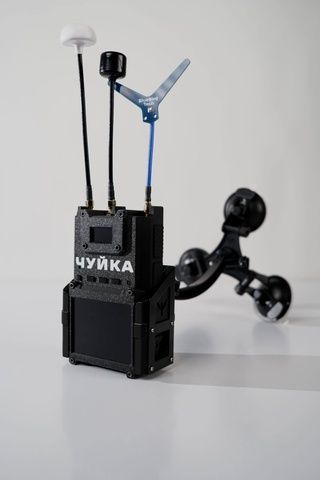
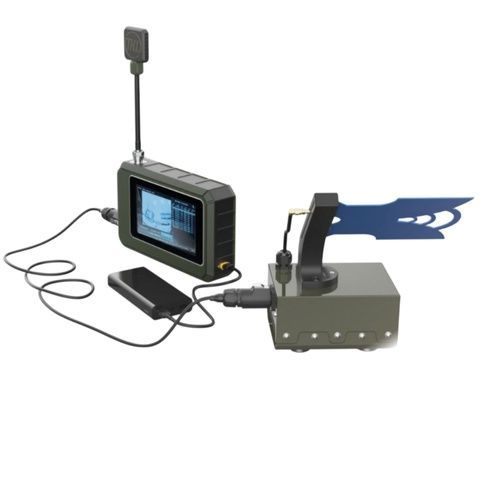
- Kits with a remote antenna use a different receiver placement arrangement. Antenna, cable, connector, and mounting compatibility should be checked separately.
A radio-frequency analyser should not be confused with radar. Radar detects physical objects using a different operating principle, while the devices in this category respond primarily to radio emissions. Similarly, the term “Shahed detector” does not mean that a conventional radio-frequency detector is guaranteed to identify an autonomous aircraft without an active radio link.
Drone detector specifications
Compare the specifications provided on individual product pages before purchasing. Devices within the same category may differ considerably in frequency coverage, signal analysis method, and supplied equipment.
| Specification | What to check |
|---|---|
| Frequency range | The precise lower and upper limits or the individual frequency bands monitored by the device. |
| Analysis method | Whether the model provides spectrum analysis, automatic recognition, frequency information, or video reception. |
| Alert type | Audible, visual, or vibration alerts, along with data or video displayed on the screen. |
| Antenna | Type, quantity, directionality, connectors, and compatibility with an optional remote antenna. |
| Claimed detection range | The conditions under which the stated figure was obtained. Actual performance depends on the transmitter, interference, terrain, buildings, and antenna placement. |
| Power and battery life | Battery or external power type, claimed operating time, and charging method. |
| Operating conditions | Operating temperature and the manufacturer-confirmed level of protection against dust and moisture, if specified. |
| Package contents | Antennas, cables, charger, mounts, case, and any other components supplied with the selected product. |
Where are FPV drone detectors used?
Military units
Drone detectors are used as one element of radio-frequency monitoring and UAV activity alert systems. They supplement established safety procedures but cannot guarantee the detection of every aircraft and should not be treated as a standalone protective measure.
Protection of strategic facilities
At infrastructure facilities, a radio-frequency detector may form part of a multi-layered airspace monitoring system. Equipment configuration and response procedures should be determined by responsible specialists with consideration for applicable laws, the local radio environment, and the characteristics of the facility.
Protection of positions and equipment
A passive receiver may provide an early alert when a supported radio signal appears near personnel, positions, or equipment. Its readings should be assessed together with other available sources of information because missed detections and false alerts are possible.
Field use
For field use, consider the device’s weight, dimensions, battery life, display readability, alert method, and permitted operating temperature. If a remote antenna is required, check its compatibility with the receiver, cable, connectors, and mounting system in advance.
How to buy a drone detector — selection criteria
Begin with the intended purpose: which frequency bands need to be monitored, which alert method is convenient, and whether spectrum display, video interception, or a remote antenna is required. Then compare:
- frequency coverage and detection method;
- antennas, connectors, and compatible accessories;
- alert format and information available on the display;
- power supply, battery life, and operating temperature;
- exact package contents, current price, and availability.
A larger number of frequency bands or a longer claimed detection range does not automatically make one model better than another. Its specifications should match the intended operating conditions. The SKYHUB catalogue allows you to compare drone detectors available in Ukraine and clarify supported frequencies, package contents, accessory compatibility, and the permitted use of a specific device before ordering.
Frequently asked questions about drone detectors
Which drone detector should I choose?
There is no single model that is best for every situation. The choice depends on the required frequency bands, alert method, antenna type, and operating conditions. Before ordering, also check the battery life, package contents, and whether spectrum analysis or video interception is required.
Which drone detector is best suited for detecting hostile UAVs?
The device should support the frequency bands that may be used by the relevant UAV control or video transmission links. Broad frequency coverage makes a detector more versatile but does not guarantee detection of an autonomous aircraft without an active radio signal.
How does a drone detector work?
A drone detector monitors the radio-frequency spectrum within its supported bands and analyses detected signals. When it identifies activity that matches the configured criteria, the device generates an audible, visual, vibration, or on-screen alert.
Do you offer the Nebo drone detector?
The Nebo model is not currently listed in the SKYHUB catalogue. You can ask whether it is available to order or request help selecting an available detector with the required frequency bands and alert method.