






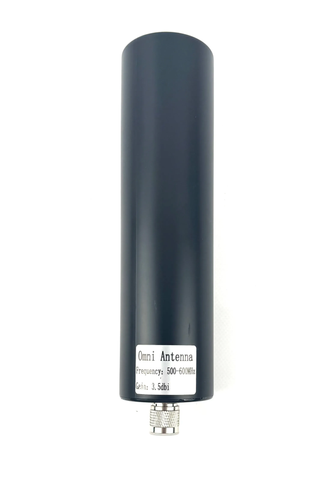
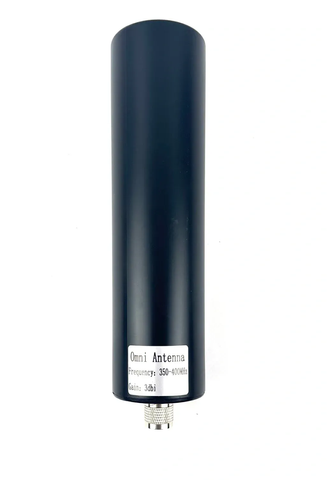
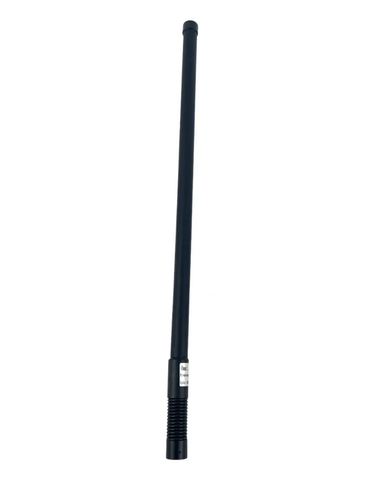
|
Quantity
|
Out of stock
|
||
|
|
|||
|
|
|||
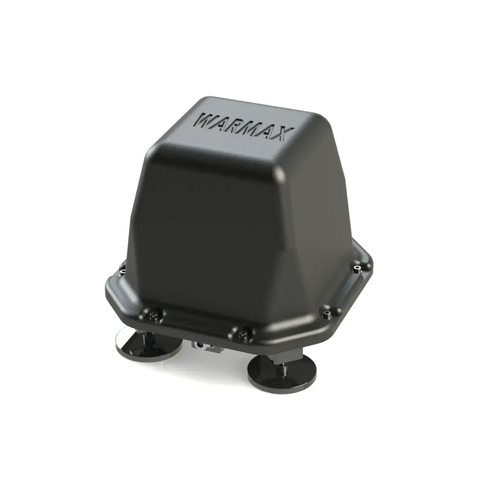
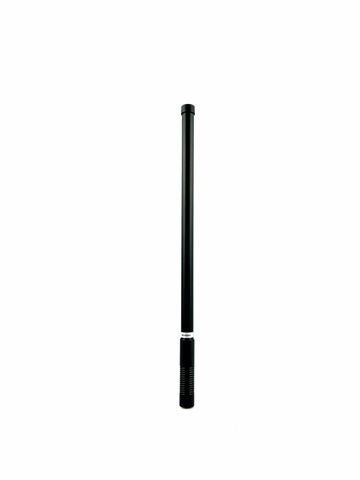
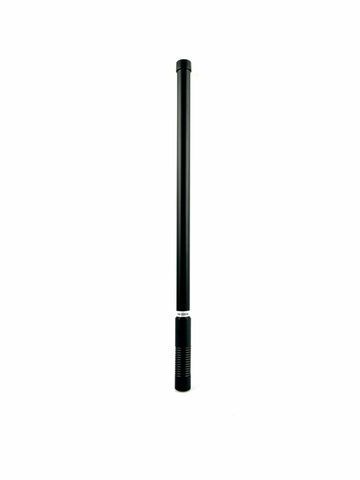
Modern combat conditions require reliable and technologically advanced solutions for protecting equipment, personnel, and strategic facilities. An antenna for EW is one of the key elements of an electronic warfare system: its parameters directly affect signal stability, correct equipment operation, and the effectiveness of countering communication, navigation, and UAV control channels.
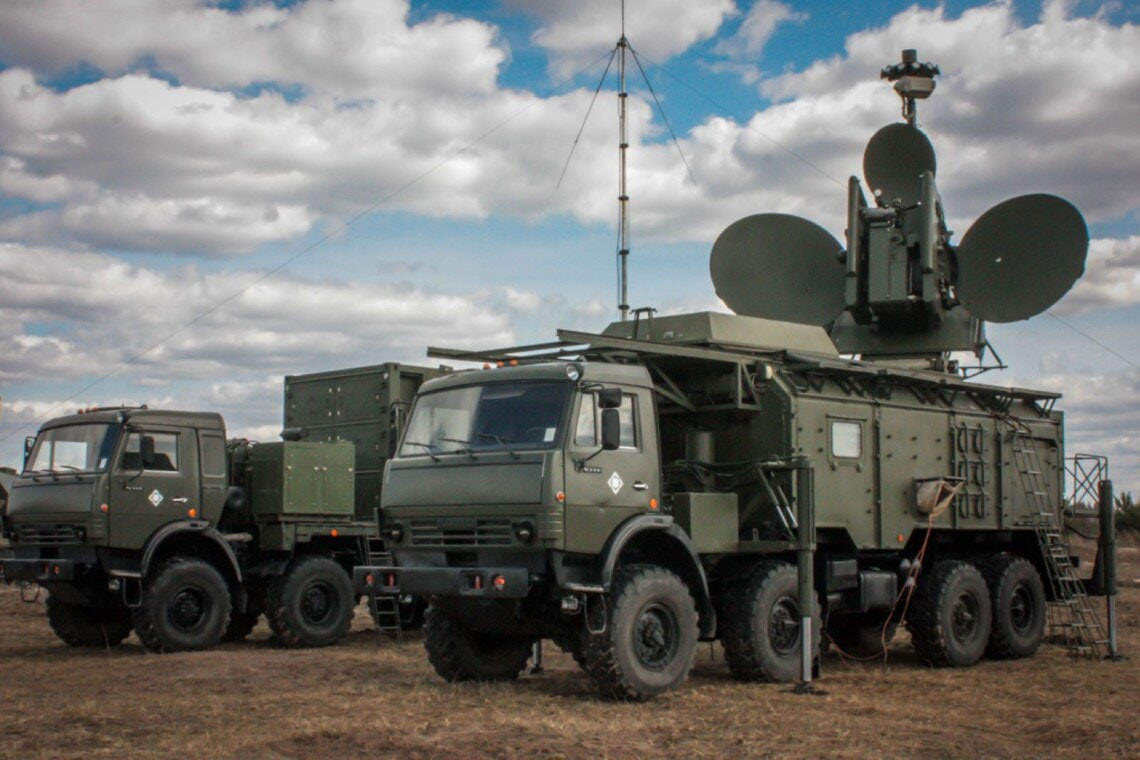
The SKYHUB catalog includes military antennas designed for use in field conditions, with consideration for high loads, temperature changes, and active radio-electronic interference. The range is focused on practical use — from mobile systems to stationary and vehicle-mounted EW solutions.
Key points
A military antenna for EW is required for correct transmission or reception of radio signals within specified frequency ranges. It helps the system operate more stably, reduces power losses, and allows the complex to be adapted to a specific use scenario.
Before purchasing, it is important to check the operating range, antenna type, gain, radiation pattern, connector type, equipment compatibility, and operating conditions.
If the parameters are selected incorrectly, even powerful EW equipment may operate unstably. Therefore, an army antenna should be chosen not only by name or price, but according to the technical task and compatibility with a specific system.
Antennas for EW — a powerful tool for electronic warfare
Antennas are not an auxiliary component, but the basis for stable and predictable operation of an EW system. A high-quality antenna for EW ensures reliable signal transmission and reception within specified ranges, expands the operating area of the system, and improves the effectiveness of radio-electronic influence within the declared capabilities of the equipment.
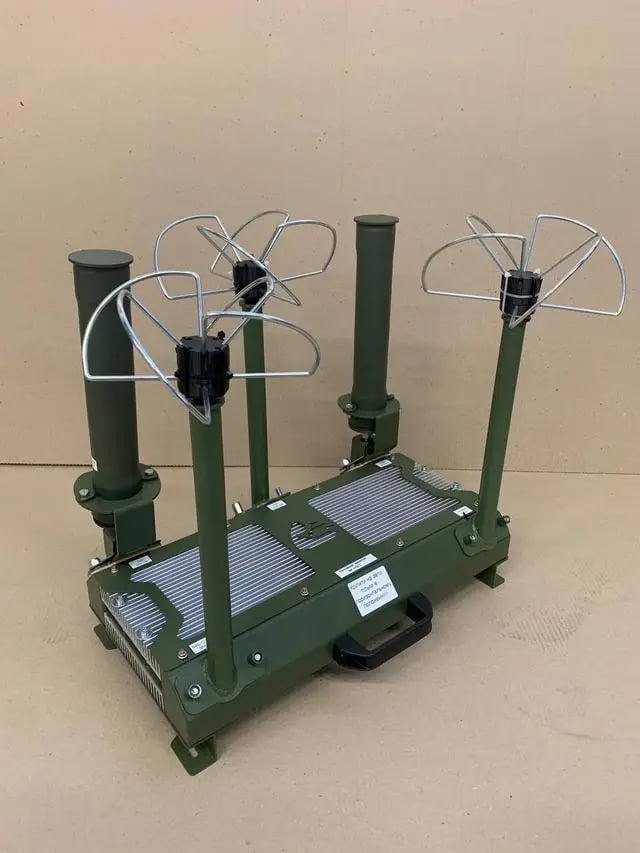
The use of professional military antennas helps improve radio coverage stability, support equipment operation in a complex interference environment, reduce signal power losses, and ensure compatibility with different types of EW devices.
To select solutions for different tasks, you can also view the antennas section, where models for communication, EW systems, ground stations, and other technical scenarios are available.
Purpose and functions of antennas for EW
The main purpose of antennas is to form and direct the propagation of a radio signal for electronic warfare tasks. An antenna for EW is used as part of equipment that may be applied to counter UAV control channels, navigation signals, and other radio channels within the stated purpose of the system.
Modern military antennas are designed with multi-band operation, mechanical durability, and compatibility with modular solutions in mind. This allows them to be used as part of universal, mobile, vehicle-mounted, and stationary EW systems without replacing the entire setup.
How antennas for EW work
The operating principle of antennas for electronic warfare is based on transmitting and receiving electromagnetic waves within specified frequency ranges. An antenna for EW is matched with the transmitter or receiver of the system to minimize losses and ensure efficient power transfer in the working direction.
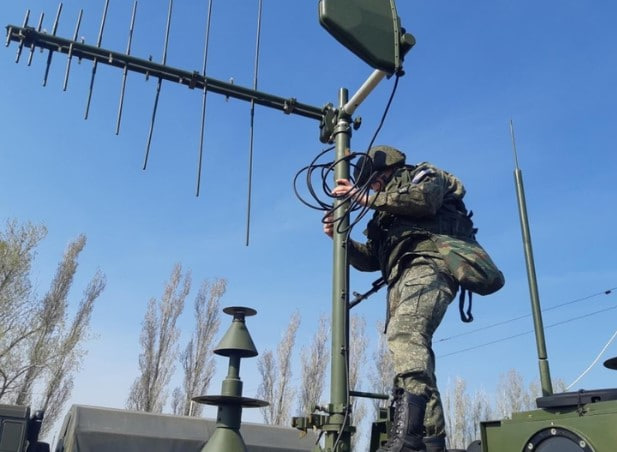
With a correctly selected radiation pattern, military antennas can concentrate influence in a specific sector or create broader coverage — depending on the task, antenna design, and equipment configuration.
Main types of antennas for EW
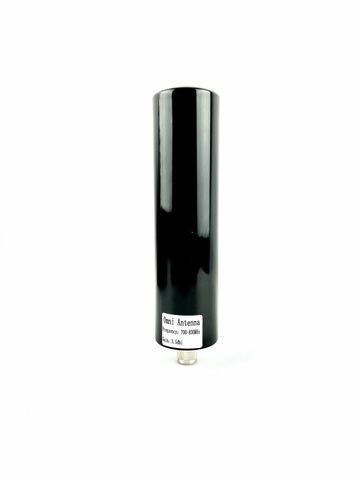
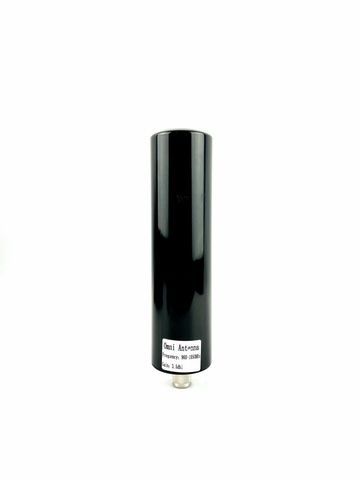
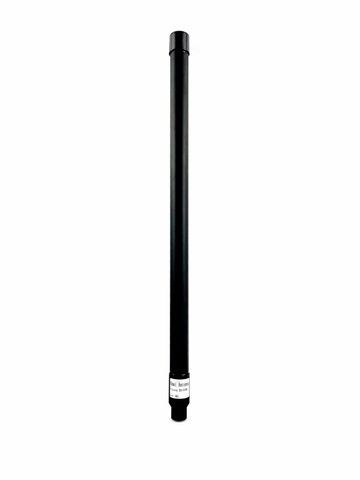
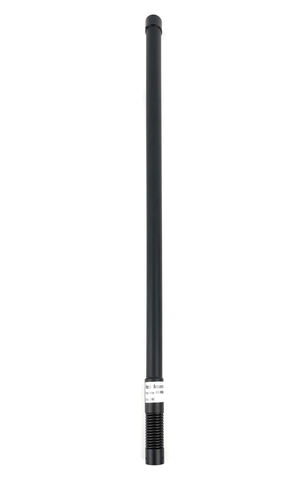
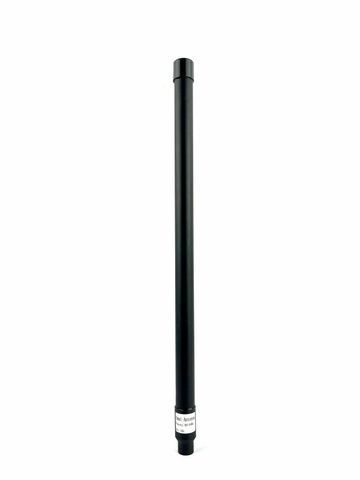
Different types of antennas are available for specific use scenarios: omnidirectional solutions for circular coverage, directional antennas for work in a defined sector, sector models for protecting specific areas, and wideband military antennas for operation across several ranges within one system.
| Antenna type | Best suited for | What to check before buying |
|---|---|---|
| Omnidirectional | Coverage around an object or vehicle | Range, power, mounting, system compatibility |
| Directional | Operation in a specific sector or direction | Beam angle, gain, connector, installation conditions |
| Sector | Protection of a limited area or route | Radiation pattern, frequencies, mounting method |
| Wideband | Operation across several ranges within one system | Operating range, matching, losses, compatibility |
How to choose an antenna for EW?
When selecting an antenna, it is important to consider not only the price, but also the technical characteristics. An effective antenna for EW is selected according to operating frequencies, gain, radiation pattern, operating conditions, mounting type, connector, and compatibility with the electronic warfare system being used.
Properly selected military antennas ensure stable equipment operation and maximum effectiveness of radio-electronic influence within the capabilities of a specific EW system.
Common selection mistakes
- choosing an antenna only by appearance or name without checking the operating range;
- buying a model without considering compatibility with a transmitter, receiver, or EW system;
- ignoring the connector type, mounting method, and installation conditions;
- using a directional antenna where circular coverage is required;
- selecting an army antenna without considering the package, cable, and connection losses.
Advantages of using high-quality EW antennas
Investing in professional antennas directly strengthens the capabilities of an EW system. A high-quality antenna for EW provides stable operation in a complex radio environment, long service life, reliable connection, and confident equipment use in field conditions.
The SKYHUB online store offers tested military antennas focused on practical application and real tasks. We provide solutions selected by purpose, parameters, and compatibility rather than sold at random.
SKYHUB expert approach to antenna selection
Selecting an antenna for EW requires accuracy: it is important to consider not only the product name, but also the frequency range, radiation pattern type, gain, connectors, mounting conditions, and compatibility with specific equipment.
- we help select an antenna for the task and type of EW system;
- we clarify equipment compatibility before ordering;
- we take into account the package, connectors, cables, and installation method;
- we focus on practical application, not only on specifications in the description;
- we provide consultation before purchase and support after the order.
FAQ: common questions about antennas for EW
How to choose an antenna for EW?
You need to consider the operating range, antenna type, gain, radiation pattern, connector, mounting method, and compatibility with your EW equipment. It is better to select a model for a specific task rather than only by price.
What is the difference between directional and omnidirectional military antennas?
An omnidirectional antenna works around the object, while a directional antenna concentrates the signal in a specific sector. The choice depends on whether coverage around the vehicle or operation in a defined direction is required.
How to check antenna compatibility with an EW system?
Check the operating frequencies, allowed power, impedance, connector type, cable, mounting, and equipment manufacturer requirements. If the parameters are unknown, it is better to clarify them before ordering.
What is included with an antenna for EW?
The package depends on the specific model. In some cases, only the antenna is supplied; in others, mounting hardware, a cable, or additional connection elements may be included. Before purchase, it is important to check the package in the product card or with a manager.
Can I buy a military antenna for vehicle-mounted EW?
Yes, models for vehicle-mounted systems are selected with consideration for movement conditions, mounting type, vibration loads, operating range, and compatibility with installed equipment.
Is consultation needed before buying an antenna for EW?
Yes, consultation helps avoid mistakes with the operating range, connector, antenna type, and compatibility. This is especially important when the antenna is selected for an existing EW system.