
|
Quantity
|
Out of stock
|
||
|
|
|||
|
|
|||
External Antennas for Quadcopters: What to Check Before Buying
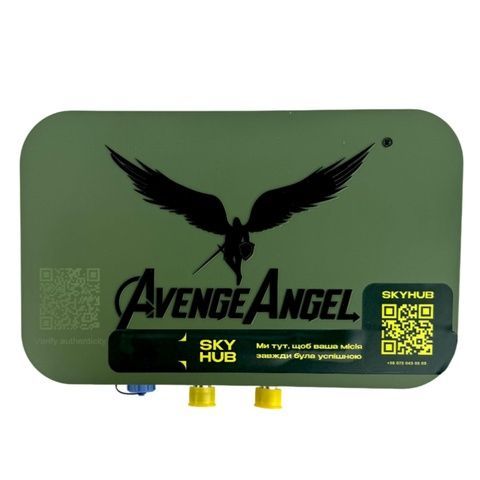
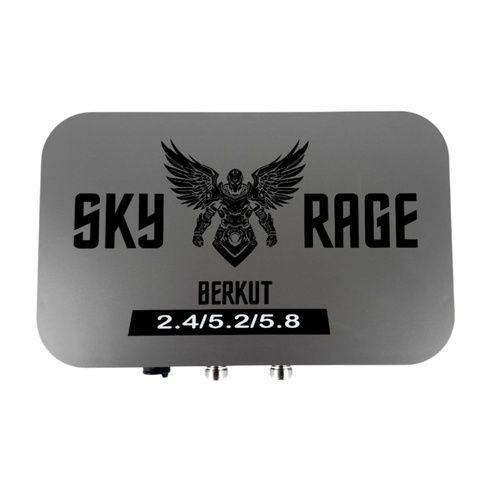
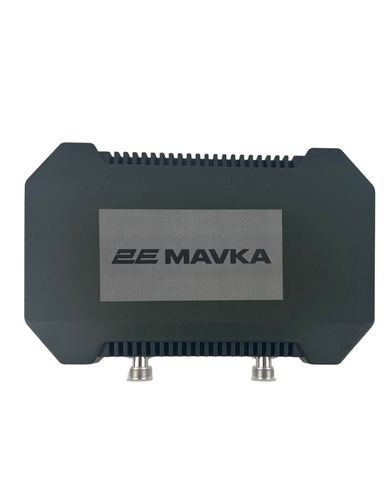
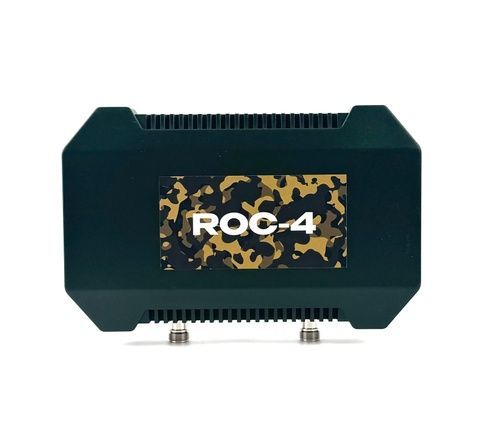
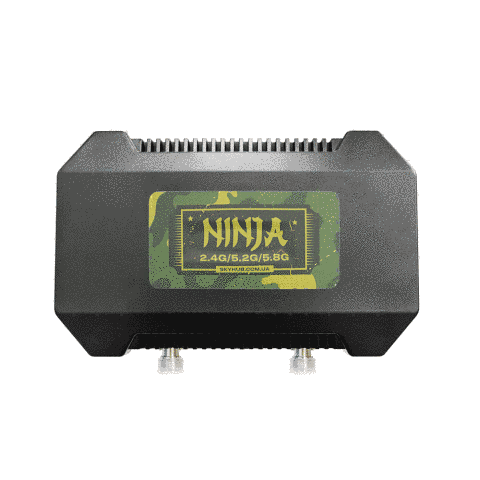
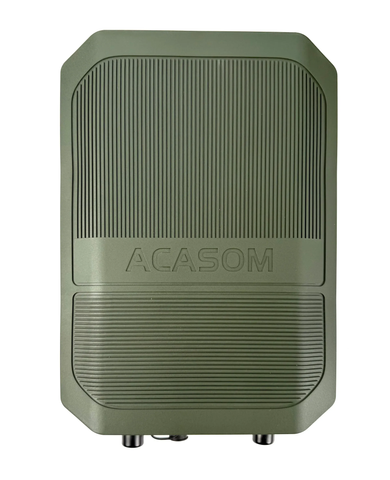
An external antenna for a quadcopter is a separate antenna element or antenna unit designed for use with compatible communication equipment. In this configuration, the antenna is positioned separately from the controller housing. Depending on the product, the term may refer to a standalone antenna or a device with a built-in amplifier.
The selection process should begin with the exact quadcopter and controller models. Matching brands or visually similar connectors do not necessarily guarantee compatibility. Before purchasing, check the product's intended application, supported equipment and package contents.
Which External Antenna Is Suitable for Your Quadcopter?
First, determine which device the accessory is intended for: the remote controller, a separate receiver or onboard equipment. An antenna installed on a quadcopter and an external antenna designed for its controller serve different purposes. They are not automatically interchangeable simply because they are associated with the same aircraft.
The term "antenna for radio equipment" also requires clarification. Accurate selection depends on the full equipment name and version, not just the drone model. If a manufacturer offers several controllers for the same quadcopter series, the requirements for connecting external accessories may differ.
You can compare equipment by its intended application in the antennas category. When choosing the aircraft itself, explore the quadcopters and FPV drones catalogue. Accessories should be selected for a specific communication system rather than for an entire equipment category.
Antenna vs. Amplified Antenna Unit: What's the Difference?
Passive Antenna
A passive antenna does not contain an active amplifier and does not require a separate power supply. Its specified gain describes the antenna's directional characteristics rather than the output power of built-in electronic components.
Antenna Unit with an Amplifier
An amplified antenna unit contains active electronic components and requires the power supply specified by the manufacturer. For this type of product, check compatibility of the complete unit, power supply requirements and the list of necessary accessories.
Understanding this distinction helps you interpret technical specifications correctly. Power ratings expressed in watts and antenna gain expressed in dBi describe different measurements and cannot be compared as if they were the same parameter. The word "amplifier" in a product name also does not mean that the device is compatible with every type of radio equipment.
Key Specifications to Check Before Purchasing
For an initial comparison, review product documentation using the same selection criteria. If an important parameter is missing from the product description, request clarification before placing an order rather than making assumptions based on photographs.
| Parameter | What to Verify | Why It Matters |
|---|---|---|
| Supported Equipment | The exact model and version of the controller or other connected device. | A manufacturer's name cannot replace a verified list of compatible models. |
| Operating Frequency Bands | Whether the supported bands meet the equipment requirements specified in the documentation. | Support for one frequency band does not confirm compatibility of the entire system. |
| Connection | Whether the manufacturer supports connecting the selected accessory. | A mechanically fitting connector does not guarantee electrical compatibility. |
| Active Unit Power Supply | Power supply type and the availability of a suitable power source or charger. | Not all necessary accessories are necessarily included in the package. |
| Housing Design | Weight, dimensions and documented operating conditions. | Moisture protection and permitted operating temperatures cannot be determined from appearance alone. |
What Is Included in the Price and Package?
Before you buy an antenna for a quadcopter, compare not only the product price but also the accessories included in the package. A standalone antenna unit and a complete kit with cables, a power supply and mounting accessories are different offers, even if the main device is identical.
- Confirm which cables and connection accessories are included in the package.
- Check whether mounting hardware is included. A tripod or support shown in product photographs may not be included in the price.
- For an active device, request information about the included power supply and charging equipment.
- Verify the warranty terms applicable to the specific product and configuration.
In addition to package contents, the price depends on the design, presence of active electronics, housing construction and included equipment. A higher price alone does not confirm compatibility or guarantee a particular communication range. The specifications of an individual component cannot automatically be applied to the entire system.
Why You Shouldn't Choose an Accessory Based Only on the Word "Drone"
Quadcopters equipped with proprietary communication systems and aircraft using separately selected radio equipment may require different accessories. Therefore, an external antenna designed for one quadcopter model does not automatically become a universal antenna for all FPV drones.
The same principle applies to the broader UAV category. The type of aircraft helps narrow down your search, but the final selection should be based on the documentation for the equipment being connected. Replacing the controller or changing the equipment version is a reason to recheck the compatibility of a previously selected accessory.
What Information Should You Prepare for a Consultation?
To discuss your requirements with a SKYHUB consultant, prepare the full names of your quadcopter and controller, the identification markings on your existing antenna equipment and a link to the product you are considering. If the model designation is difficult to read, a clear photograph of the manufacturer's label can be helpful.
Also specify which accessories you already have and which ones you need to purchase together with the antenna. This will help clarify the required package without making assumptions about cables, mounts or power supplies. If the product description and technical documentation contain conflicting information, request confirmation of the specifications for the exact product version.
Specialised radio equipment should be purchased and used only for its intended purpose, in accordance with applicable restrictions. Compatibility and permission to connect the equipment should be confirmed with a qualified specialist before use.
Confirm Compatibility Before Ordering
Provide a SKYHUB consultant with your controller model and the name of the selected antenna. Request confirmation of compatibility, current package contents and purchasing conditions. This information will help you evaluate the specific offer before making a purchase.
FAQ: Frequently Asked Questions About External Antennas for Quadcopters
Is an external antenna installed directly on the quadcopter?
In the context of external antenna systems for remote controllers, the antenna is a separate device used with ground-based equipment. An onboard antenna is a different component, so the intended application of each product should be verified using the manufacturer's description.
Is knowing the drone model enough to buy an antenna?
No. In most cases, you also need the exact model of the controller or other connected equipment. Compatibility must be confirmed for the specific combination of devices, not simply for the quadcopter brand.
Are cables and mounting accessories always included?
No. Package contents depend on the specific product offer. Before ordering, check the list of included accessories. Cables, mounting hardware, power supplies and chargers may be sold separately.
Does an external antenna guarantee increased communication range?
No. The result depends on the complete communication system, component compatibility and operating conditions. Antenna specifications alone cannot guarantee a particular range or completely eliminate signal loss.