


|
Quantity
|
Out of stock
|
||
|
|
|||
|
|
|||
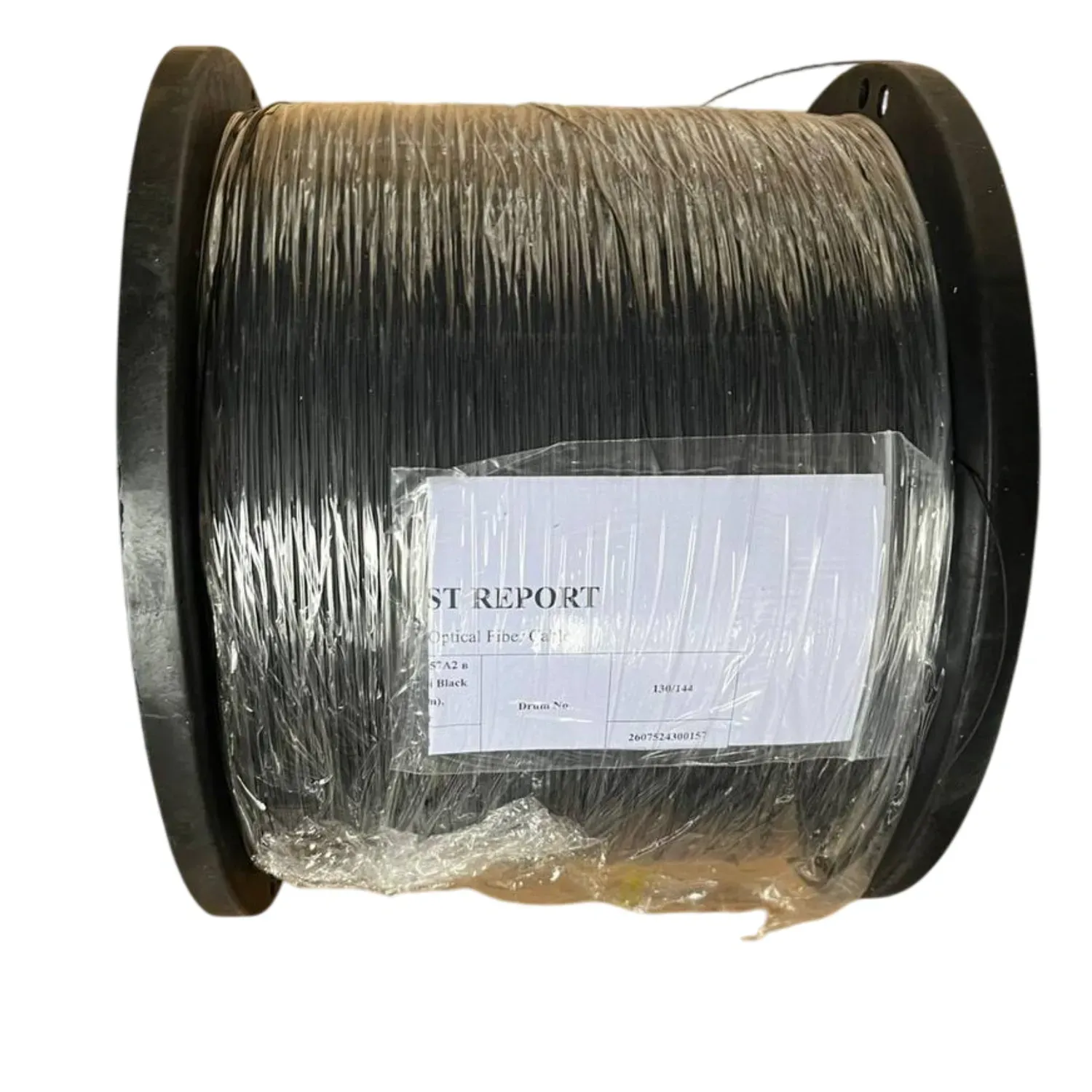
Armored 0.9 mm fiber optic cable on a tactical spool: Communication outside the range of electronic warfare
In the conditions of modern technological confrontation, electronic warfare (EW) equipment becomes the main obstacle to UAV control and ensuring stable communications. When the radio airwaves are completely clogged with interference, the only reliable solution is to switch to a physical medium. Armored 0.9 mm fiber optic cable on a tactical spool is the ultimate tool for transmitting data in complete radio silence, making your systems invulnerable to enemy direction finders and jammers.
Why armored 0.9 mm fiber optic cable Is this the choice of professionals?
Unlike standard optical patch cords, this cable is designed for use in extreme field conditions. The armored structure protects the fragile glass from mechanical damage, kinks, and aggressive environmental influences, while maintaining minimal weight and maximum mobility.
- Absolute protection from electronic warfare: The fiber optic signal cannot be intercepted or suppressed by electronic means.
- Radio stealth: The absence of radio emissions guarantees that the operator's position will not be detected by electronic reconnaissance (SAR) means.
- High mechanical strength: The armored braid and tight buffer (Tight Buffer) withstand a compressive force of up to 100 N, which allows the cable to be deployed on difficult terrain and ruins.
- Zero latency: High-definition video signal transmission (HD/4K) without delays, which is critical for precise piloting of FPV drones and control of turrets.
Technical and tactical characteristics of G.657A2 fiber
The cable is based on single-mode fiber of the G.657A2 standard. Its main feature is Minimal signal loss even at critical bending radii, which allows the cable to operate reliably when quickly unwound from the reel while moving or flying.
| Parameter | Characteristic value |
|---|---|
| Fiber type | Single-mode (SM), G standard.657A2 |
| Attenuation Coefficient | ≤ 0.35 dB/km (1310 nm) / ≤ 0.21 dB/km (1550 nm) |
| Macrobending Loss | ≤ 0.5 dB (at 7.5 mm radius) |
| Mode Field Diameter | 8.6 ± 0.4 µm (1310 nm) / 9.6 ± 0.5 µm (1550 nm) |
| Cutoff Wavelength | ≤ 1260 nm |
| Test Load Level | ≥ 100 kpsi |
Design Features and Protection Properties
The cable has a compact diameter of 0.9 mm, providing an ideal balance between strength and weight. The LSZH (Low Smoke Zero Halogen) jacket material does not support combustion and does not emit toxic gases, which is vital when used in closed fortifications and dugouts.
- Buffer Type: Tight Buffer (tight fit for protection against vibrations);
- Buffer Material: Wear-resistant halogen-free plastic (LSZH);
- Color: Matte black (camouflage);
- Crush Resistance: 100 N / 100 mm (without fiber damage);
- Cable Weight: Approximately 0.9 kg per 1000 meters (ultra-light for tactical wear).
Physical Parameters and Convenience deployment
Fiber optic is supplied on specialized reels adapted for quick use in the field and mounting on tactical equipment.
| Reel type | Lightweight composite or plastic with cable retainer |
| Spool length | 500 m / 1000 m / 2000 m (or on request) |
| Operating weight | From 1.5 to 3.5 kg (depending on fiber length) |
| Operating Temperature Range | From -40°C to +70°C |
Expert Advice: Using G.657A2 fiber in an armored braid allows you to ignore complex obstacles in the cable path. Even if the cable gets run over by a vehicle or is laid through sharp concrete debris, the armored structure minimizes the risk of communication failure.
Areas of tactical application:
- FPV drone control: Operation at distances of up to 2-5 km without the risk of losing control from enemy trench electronic warfare.
- Secure communication between observation posts: Creation of data transmission lines that cannot be detected by electronic warfare equipment.
- Remote control of weapon modules: Safe control of turrets and surveillance cameras from deep cover.
- Laying temporary communication lines: Rapid deployment in urban or wooded areas.
Conclusion: Your technological advantage
Armored fiber optic 0.9 mm on a spool - this guarantees that the signal will reach the addressee regardless of the intensity of enemy electronic countermeasures. This is a reliable, lightweight and ultra-strong communication channel for units that value stealth and reliability in combat.
Frequently Asked Questions about 0.9 mm Armored Fiber
Why is armored braiding needed for such thin fiber?
Steel microtube armor protects the fiberglass from mechanical impacts, crushing and rodents. This ensures that the connection will not be interrupted if the cable is stepped on or vehicles drive over it.
Is the cable too heavy for an FPV drone?
0.9 mm fiber with armor - This is the "heavy" class. It is ideal for ground lines or heavy drone repeaters. For regular kamikazes, the weight may be excessive, but for stationary tasks, it is the best choice.
How does armor affect cable flexibility?
Thanks to the spiral structure of the armor, the cable remains flexible, does not tangle, and unwinds easily from the reel without maintaining the shape of the rings. This allows for quick installation of the communication line in difficult conditions.
Does the braid protect against electronic warfare?
Fiberglass is inherently immune to radio interference. Armor provides physical protection from fragments and damage, which indirectly guarantees the operation of the control channel under fire.
What is the advantage of a reel?
The reel allows for compact storage and quick unwinding of the cable without kinks. The presence of installed connectors allows you to deploy the communication line in minutes without using a welding machine.
Can the cable be used to extend the antenna?
Yes, this is the main application. Armored fiber allows you to extend the equipment up to 500 meters from the pilot. The cable can be laid along the ground or through bushes without fear of damage.