


|
Quantity
|
Out of stock
|
||
|
|
|||
|
|
|||
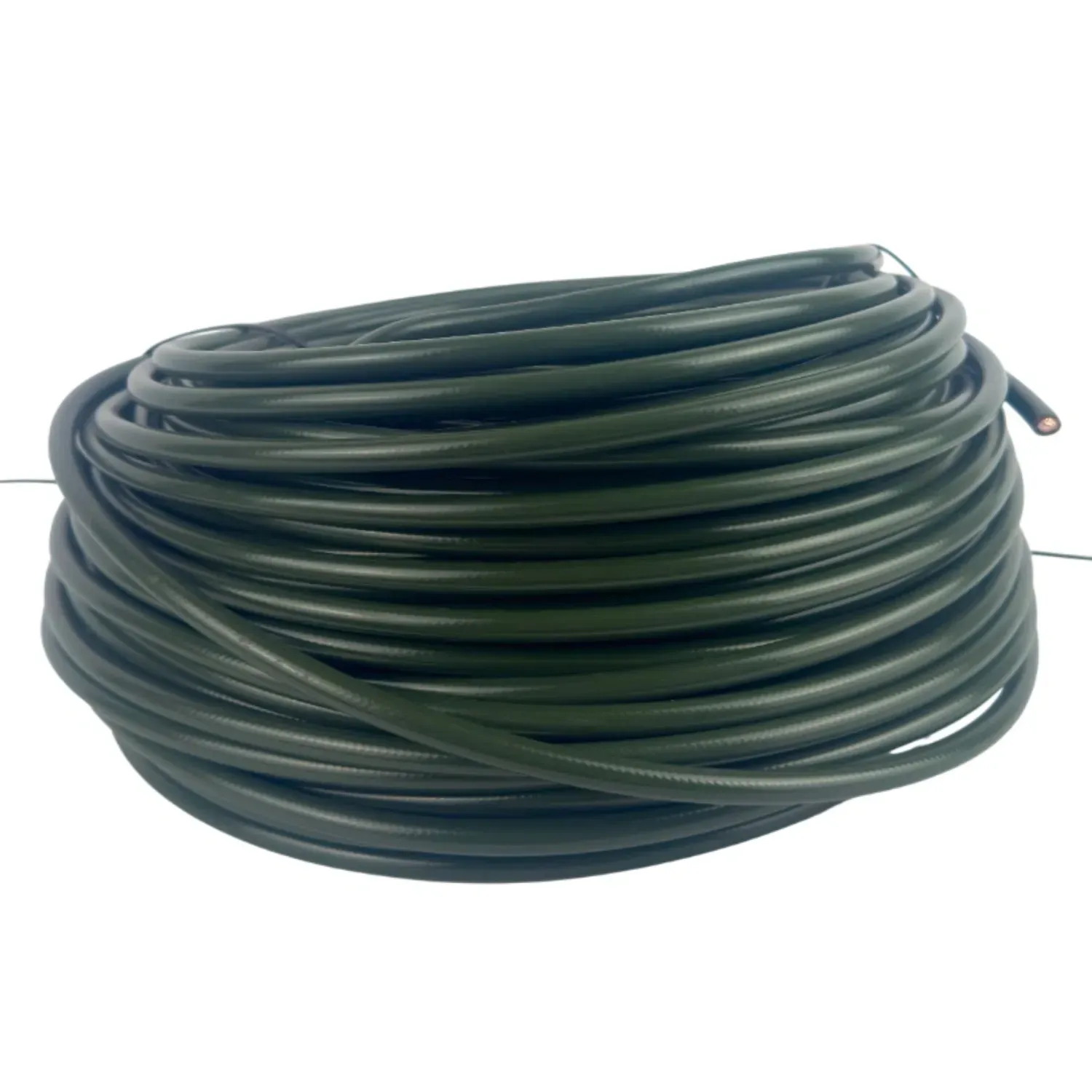
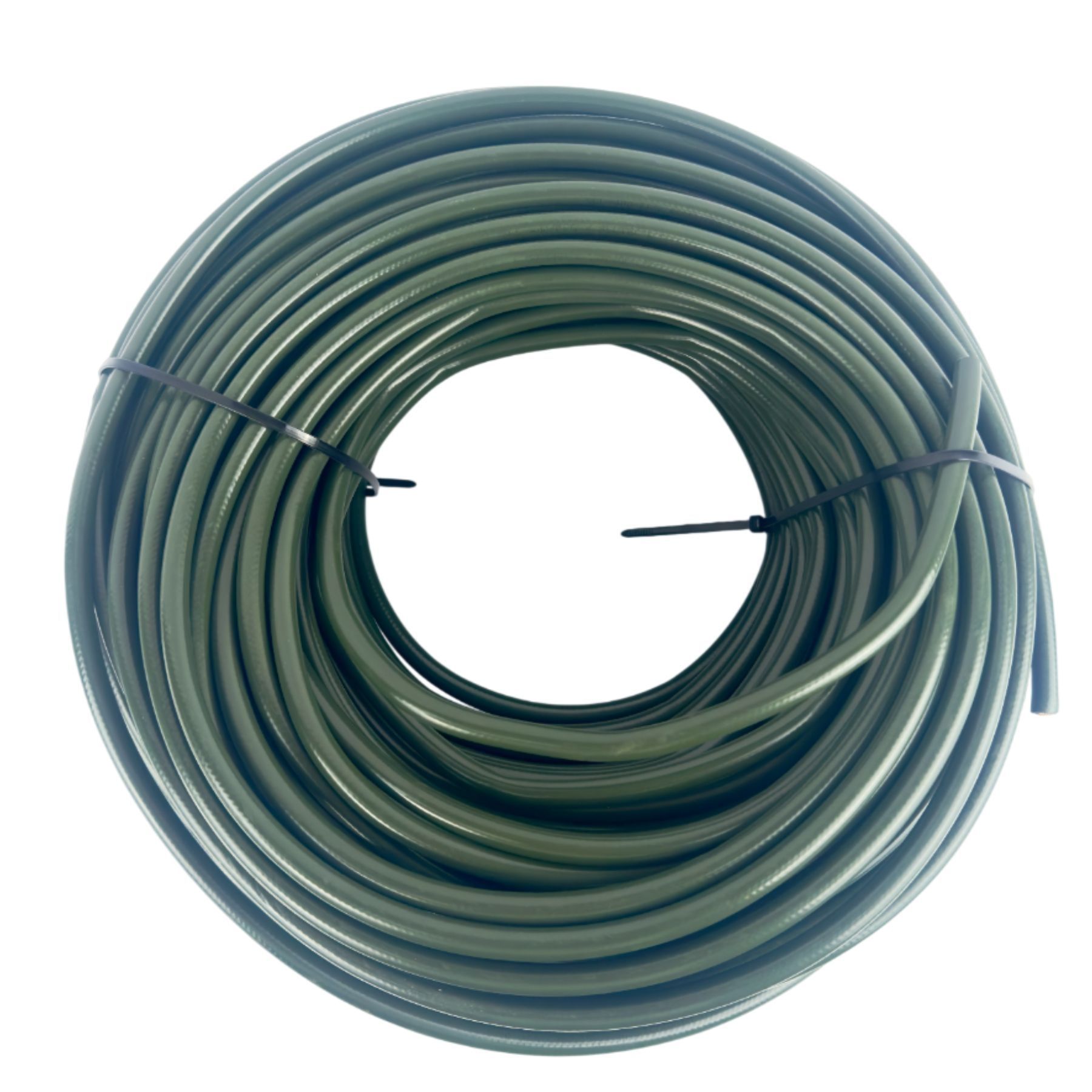
SLL-400-FPG Coaxial Cable (Olive): Superflexible Low Loss Cable for Tactical Applications
In the field, standard rigid cables often become a liability: they break when quickly reeled in, create unnecessary loops, and reveal the operator's position with a bright or contrasting color. SLL-400-FPG (Superflexible Low Loss) is a specialized solution for aerial reconnaissance and communications units. With its unique structure and olive-colored sheath, this cable provides the perfect balance between high signal strength and maximum crew mobility.
Key Advantages of the SLL-400-FPG in Combat Conditions
This cable is an improved version of the classic 400-th standard (LMR-400), adapted to the needs of the front. It does not just transmit a signal - it withstands loads that would fail conventional feeders.
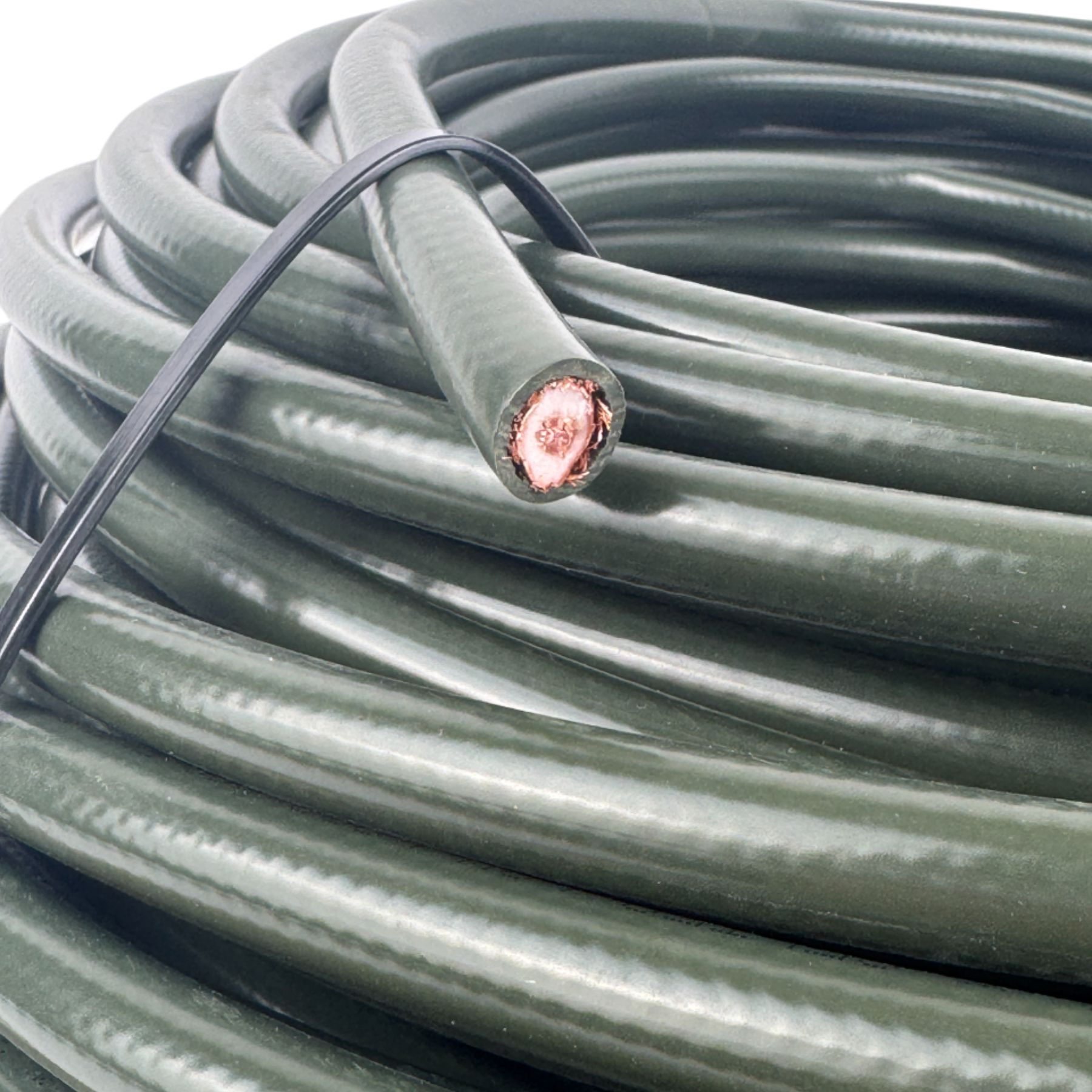
- Super-flexible design: Unlike standard Low Loss cables with a rigid central core, the SLL-400-FPG allows multiple bends at sharp angles without damaging the internal structure and increasing SWR.
- Tactical camouflage: Olive Green sheath (Tactical Green) makes the cable virtually invisible in grass, forest belts and on the ground, which is critical for maintaining the secrecy of a position.
- Resistance to aggressive environments: The polyethylene (PE) sheath is protected from ultraviolet radiation (UV-resistant), is not afraid of moisture, fuels and lubricants and temperature changes, remaining flexible even in the cold.
- Efficiency on long routes: Due to the low attenuation coefficient, this cable is ideal for creating long antenna routes (from 15 to 50 meters) for removing antennas from shelters.
Technical and tactical characteristics (TTX) SLL-400-FPG
This cable belongs to the highest category of radio frequency conductors of the G37 group, which guarantees full compatibility with professional connectors and signal amplifiers (boosters).
| Parameter | Characteristic value |
|---|---|
| Cable type | Superflexible coaxial |
| Wave impedance | 50 Ohm (tactical communication standard) |
| Outer diameter | ~10.3 mm |
| Sheath color | Olive / Green (Tactical Olive) |
| Sheath material | PE (Polyethylene with UV protection) |
| Frequency range | 0 - 6 GHz (effective up to 10 GHz) |
| Cable group | G37 (Analog of LMR-400, RG-8) |
| Feature | Minimum bending radius without signal loss |
Applications on the front lines:
- Remote antenna systems: Organization of remote UAV control points (DJI, Autel, FPV) for safe operator operation from a dugout or basement.
- Communications and electronic warfare: Connection powerful amplifiers (boosters) such as Alientech or AvengeAngel with antennas on high masts.
- Quick change of positions: Quick winding and unwinding of the cable without the risk of its tangling or kinking.
- SIGINT / SIGINT: Use in electronic intelligence systems due to high-quality shielding and low noise levels.
Expert opinion: The SLL-400-FPG cable is a "workhorse" for active combat operations. If you need to constantly move the antenna or work in dense vegetation, the olive color and increased flexibility will be your tactical advantage.
Conclusion: Reliability invisible to the enemy
SLL-400-FPG is a professional A tool that ensures stable communication where other cables fail. Low power loss combined with super flexibility and a camouflage color make it the best choice for units that value communication quality and their own safety.
FAQ:Questions and Answers about the SLL-400-FPG (Olive) Cable
1. What does the FPG marking in the SLL-400 cable name mean?
The abbreviation FPG (Flexible / Polyurethane / Grounded) indicates that this is a special flexible version of the classic 400 series cable. Unlike the standard rigid cable, the FPG version has a multi-strand center conductor and an elastic jacket. This allows it to withstand repeated bending without damaging the internal structure and losing signal quality.
2. Why is the olive color critical for this cable?
The Olive Drab color is designed for tactical applications. This cable blends perfectly with vegetation and soil, making the antenna position less visible to visual observation or reconnaissance drones. This is a key element in concealing the entire communications node in the field.
3. What advantages does the SLL-400-FPG offer over thin cables?
The SLL-400-FPG belongs to the Super Low Loss class. Thanks to its larger diameter and high-quality dielectric, it has significantly less signal attenuation than thin feeders (such as RG-58). This allows the use of long sections for extending the antenna, delivering maximum power from the console to the emitter.
4. Is this cable suitable for FPV frequencies (2.4 GHz and 5.8 GHz)?
Yes, this is its primary use. The cable demonstrates excellent performance at high frequencies. It ensures stable transmission of a high-resolution video stream and precise control even at the limit of the range, where every decibel ($\text{dB}$) of cable loss could lead to a break in communication.
5. How resistant is the cable to harsh weather conditions?
The outer jacket is made of materials resistant to UV, moisture, and temperature changes. Thanks to its flexibility, the cable does not crack in the cold and maintains elasticity, which allows you to quickly deploy and reel in the system even in winter conditions without the risk of kinks.
6. Why is it convenient to buy this cable by the meter?
Buying by the meter allows you to create a custom configuration: for example, 2.5 meters for a car installation or 18 meters for a tree stand. This helps avoid unnecessary remnants that add weight and create unnecessary signal resistance.You get exactly as much "trunk" as your task requires.