




|
Quantity
|
Out of stock
|
||
|
|
|||
|
|
|||
AvengeAngel Big Hulk Plus Tactical Antenna Mount: Reliability and Precision
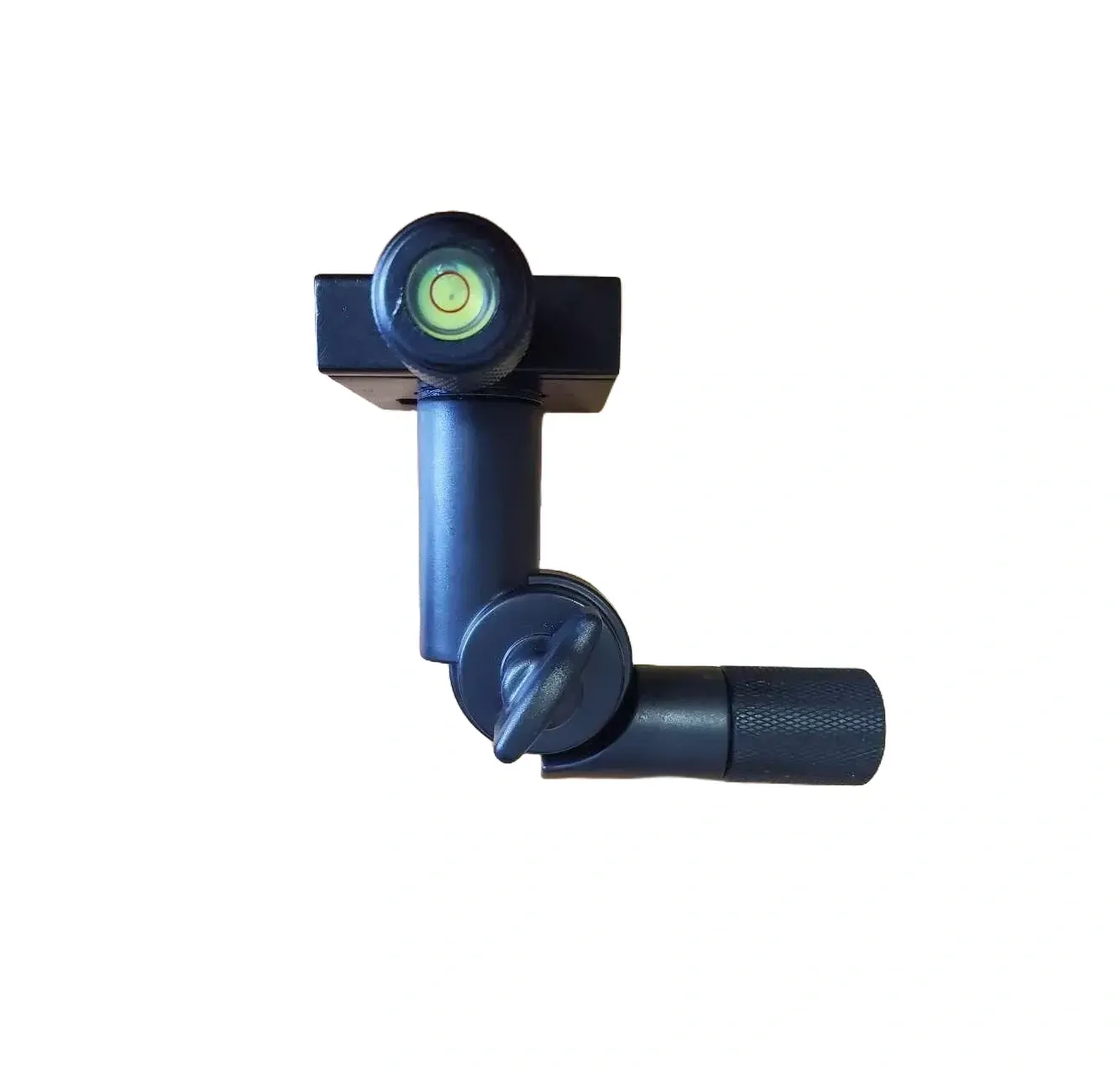
The performance of active antenna systems, such as the AvengeAngel Big Hulk Plus, directly depends on the accuracy of their positioning relative to the UAV. A professional mount is not just an accessory, but a critical element of tactical gear, ensuring signal stability over long distances and protecting expensive equipment from mechanical damage.
This mount is designed specifically for use in field conditions, where speed of deployment and resistance to external factors are decisive factors for mission success.
Why is this mount necessary for aerial reconnaissance systems?
When using powerful amplifiers (10 W) and directional antennas, even a deviation of a few degrees can lead to signal degradation and loss of video communication with the drone. Our mount eliminates these risks through thoughtful engineering design.
- Maximum Strength: Manufactured using a solid aluminum milling process, eliminating weak points (seams or castings) that could crack under vibration or impact.
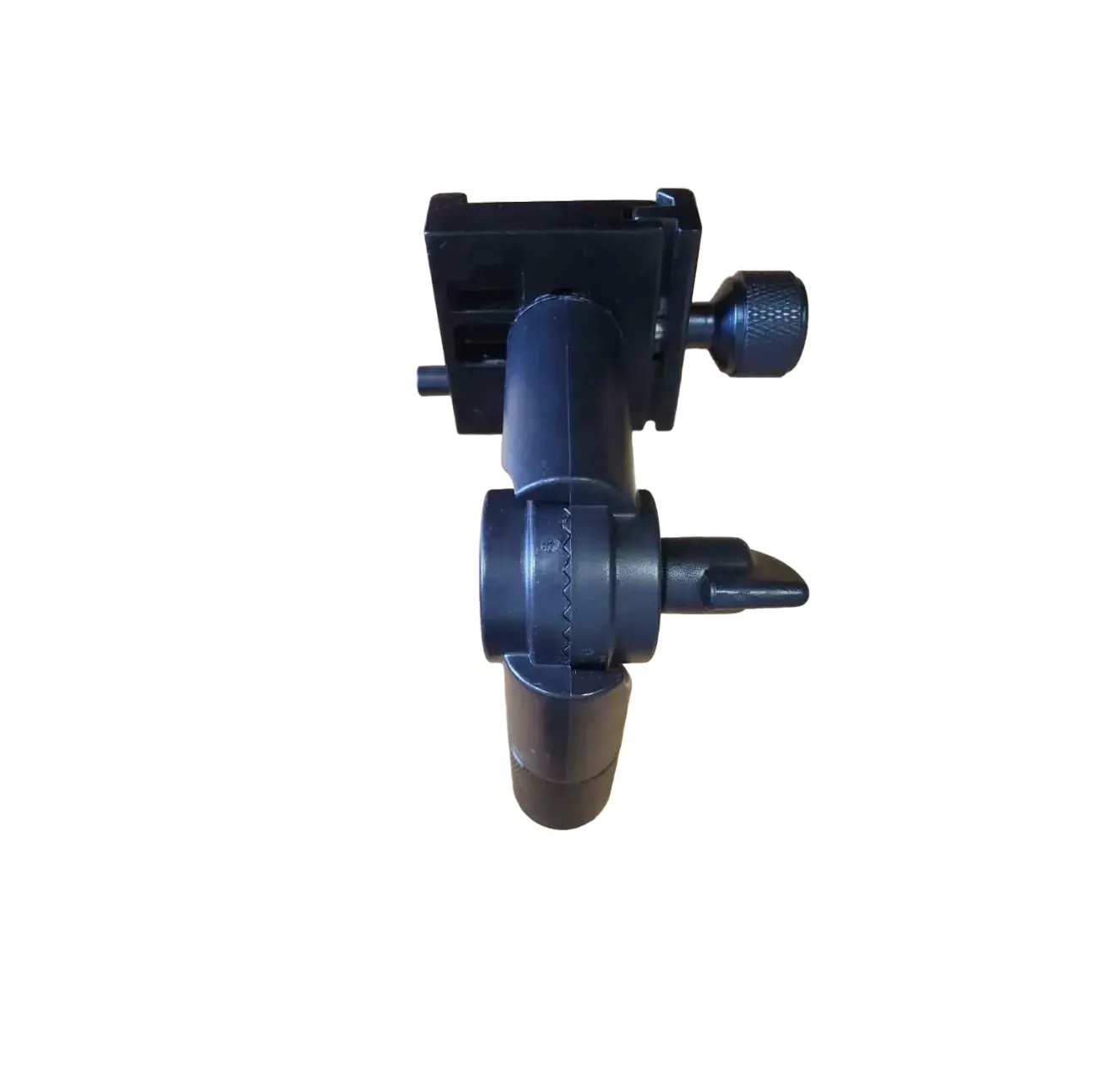
- Precision Adjustment: Ball-type head Allows you to instantly change the tilt and rotation angle of the antenna, which is critical when tracking a target at extreme distances.
- Horizon control: A built-in liquid level helps to ideally install the antenna on an uneven surface (on a car roof, mast or tripod), ensuring the correct operation of the radiation pattern.
- Anti-corrosion protection: Powder coating protects the metal from moisture, salt and aggressive environments, extending the service life of equipment in the field.
Technical and tactical characteristics (TTX) of the mount
The mount is optimized for work with heavy active antennas, providing a rigid fixation without backlash.
| Parameter | Characteristic value |
|---|---|
| Material | Solid-milled aircraft-grade aluminum |
| Coating | Powder coating (matte, anti-glare) |
| Mechanism type | Ball Head |
| Adjustment range | 360° horizontally, tilt in all planes |
| Liquid level | Integrated into the body |
| Compatibility | AvengeAngel and other threaded antennas |
| Weight | 250 g |
| Features | Vibration, corrosion, and UV resistant |
Combat-ready design benefits
Every gram of weight and every second of deployment counts. This mount combines the lightweight design of aluminum with the reliability of steel.
- Quick lock: The hinge mechanism allows you to lock the antenna position with one with a hand movement, which is important when dynamically changing positions.
- Compactness and weight: Weighing only 250 g, it fits discreetly in the operator’s backpack without overloading the equipment.
- Versatility: The mount is suitable for installation on masts, tripods, or special brackets for vehicle bases.
Expert advice: Using a liquid level helps avoid errors when deploying the antenna at night or in conditions of limited visibility, when it is impossible to visually determine the horizon line. This ensures 100% realization of the gain potential of your Big Hulk Plus system.
Conclusion: A professional approach to communications
The AvengeAngel Big Hulk Plus antenna mount is the choice of professionals who are not accustomed to compromises in reliability. Its design ensures that your antenna will remain in a given position under any conditions: from squalls to intense vibrations during vehicle movement.
Tactical FAQ: Six Questions About the Big Hulk Plus Mount System
1. Why can't a regular civilian tripod work with the Big Hulk plus?
As a professional photographer, you know: a heavy telephoto lens on a cheap tripod is a recipe for disaster. The Big Hulk plus has a lot of windage and weight. In strong winds, a regular tripod will simply tip over. The specialized mount has reinforced clamps and a wide base for stability on mud or soft ground.
2. What types of mounts are most effective for reconnaissance?
Telescopic mast: Allows you to raise the antenna $5\text{--}10\text{ meters}$, which is critical for overcoming obstacles.
Powerful tripod: For quick deployment on roofs or posts.
Car mortise mount: For rigid fixation on the trunk of a pickup truck when working on the move.
3. Why does the mount need a tilt adjustment unit (Tilt)?
Big Hulk is a directional antenna with a narrow beam. If the drone is at a height, the mount should allow you to change the tilt angle by 30-45 degrees. It's like adjusting the angle in macro photography: an error of a couple of degrees is and the signal goes out of focus.
4. How does the mount help with camouflage and operator survival?
A professional mount allows you to install the antenna remotely. You attach the "Hulk" to a mast in a forest belt, and you yourself go to the dugout. The mount should have an anti-reflective coating (coyote/olive) so that the sun's glare off the metal does not reveal the position to enemy reconnaissance.
5. Materials: aluminum or steel? Which to choose?
For mobile groups, aircraft-grade aluminum is ideal. It is lightweight and corrosion-resistant, like surgical instruments. Steel is used only for fixed positions where weight is not a concern, but maximum vandal resistance is required.
6. Is the mount compatible with pan-tilt mechanisms?
The upper flange has a mounting slot for automated "heads". This allows the antenna to be remotely rotated 360° to follow the drone. In modern warfare, this is a must: the operator should not leave cover under fire to adjust the antenna manually.
1. Why can't a regular civilian tripod work with the Big Hulk plus?
As a professional photographer, you know: a heavy telephoto lens on a cheap tripod is a recipe for disaster. The Big Hulk plus has a lot of windage and weight. In strong winds, a regular tripod will simply tip over. The specialized mount has reinforced clamps and a wide base for stability on mud or soft ground.
2. What types of mounts are most effective for reconnaissance?
Telescopic mast: Allows you to raise the antenna $5\text{--}10\text{ meters}$, which is critical for overcoming obstacles.
Powerful tripod: For quick deployment on roofs or posts.
Car mortise mount: For rigid fixation on the trunk of a pickup truck when working on the move.
3. Why does the mount need a tilt adjustment unit (Tilt)?
Big Hulk is a directional antenna with a narrow beam. If the drone is at a height, the mount should allow you to change the tilt angle by 30-45 degrees. It's like adjusting the angle in macro photography: an error of a couple of degrees is and the signal goes out of focus.
4. How does the mount help with camouflage and operator survival?
A professional mount allows you to install the antenna remotely. You attach the "Hulk" to a mast in a forest belt, and you yourself go to the dugout. The mount should have an anti-reflective coating (coyote/olive) so that the sun's glare off the metal does not reveal the position to enemy reconnaissance.
5. Materials: aluminum or steel? Which to choose?
For mobile groups, aircraft-grade aluminum is ideal. It is lightweight and corrosion-resistant, like surgical instruments. Steel is used only for fixed positions where weight is not a concern, but maximum vandal resistance is required.
6. Is the mount compatible with pan-tilt mechanisms?
The upper flange has a mounting slot for automated "heads". This allows the antenna to be remotely rotated 360° to follow the drone. In modern warfare, this is a must: the operator should not leave cover under fire to adjust the antenna manually.
1. Why can't a regular civilian tripod work with the Big Hulk plus?
As a professional photographer, you know: a heavy telephoto lens on a cheap tripod is a recipe for disaster. The Big Hulk plus has a lot of windage and weight. In strong winds, a regular tripod will simply tip over. The specialized mount has reinforced clamps and a wide base for stability on mud or soft ground.
2. What types of mounts are most effective for reconnaissance?
Telescopic mast: Allows you to raise the antenna $5\text{--}10\text{ meters}$, which is critical for overcoming obstacles.
Powerful tripod: For quick deployment on roofs or posts.
Car mortise mount: For rigid fixation on the trunk of a pickup truck when working on the move.
3. Why does the mount need a tilt adjustment unit (Tilt)?
Big Hulk is a directional antenna with a narrow beam. If the drone is at a height, the mount should allow you to change the tilt angle by 30-45 degrees. It's like adjusting the angle in macro photography: an error of a couple of degrees is and the signal goes out of focus.
4. How does the mount help with camouflage and operator survival?
A professional mount allows you to install the antenna remotely. You attach the "Hulk" to a mast in a forest belt, and you yourself go to the dugout. The mount should have an anti-reflective coating (coyote/olive) so that the sun's glare off the metal does not reveal the position to enemy reconnaissance.
5. Materials: aluminum or steel? Which to choose?
For mobile groups, aircraft-grade aluminum is ideal. It is lightweight and corrosion-resistant, like surgical instruments. Steel is used only for fixed positions where weight is not a concern, but maximum vandal resistance is required.
6. Is the mount compatible with pan-tilt mechanisms?
The upper flange has a mounting slot for automated "heads". This allows the antenna to be remotely rotated 360° to follow the drone. In modern warfare, this is a must: the operator should not leave cover under fire to adjust the antenna manually.
As a professional photographer, you know: a heavy telephoto lens on a cheap tripod is a recipe for disaster. The Big Hulk Plus has a lot of windage and weight. In strong winds, a regular tripod will simply tip over. The specialized mount has reinforced clamps and a wide base for stability on mud or soft ground.
2. What types of mounts are most effective for reconnaissance?
Telescopic mast: Allows you to raise the antenna $5\text{--}10\text{ meters}$, which is critical for overcoming obstacles.
Powerful tripod: For quick deployment on roofs or posts.
Car mortise mount: For rigid fixation on the trunk of a pickup truck when working on the move.
3. Why does the mount need a tilt adjustment unit (Tilt)?
Big Hulk is a directional antenna with a narrow beam. If the drone is at a height, the mount should allow you to change the tilt angle by 30-45 degrees. It's like adjusting the angle in macro photography: an error of a couple of degrees is and the signal goes out of focus.
4. How does the mount help with camouflage and operator survival?
A professional mount allows you to install the antenna remotely. You attach the "Hulk" to a mast in a forest belt, and you yourself go to the dugout. The mount should have an anti-reflective coating (coyote/olive) so that the sun's glare off the metal does not reveal the position to enemy reconnaissance.
5. Materials: aluminum or steel? Which to choose?
For mobile groups, aircraft-grade aluminum is ideal. It is lightweight and corrosion-resistant, like surgical instruments. Steel is used only for fixed positions where weight is not a concern, but maximum vandal resistance is required.
6. Is the mount compatible with pan-tilt mechanisms?
The upper flange has a mounting slot for automated "heads". This allows the antenna to be remotely rotated 360° to follow the drone. In modern warfare, this is a must: the operator should not leave cover under fire to adjust the antenna manually.
As a professional photographer, you know: a heavy telephoto lens on a cheap tripod is a recipe for disaster. The Big Hulk Plus has a lot of windage and weight. In strong winds, a regular tripod will simply tip over. The specialized mount has reinforced clamps and a wide base for stability on mud or soft ground.
2. What types of mounts are most effective for reconnaissance?
Telescopic mast: Allows you to raise the antenna $5\text{--}10\text{ meters}$, which is critical for overcoming obstacles.
Powerful tripod: For quick deployment on roofs or posts.
Car mortise mount: For rigid fixation on the trunk of a pickup truck when working on the move.
3. Why does the mount need a tilt adjustment unit (Tilt)?
Big Hulk is a directional antenna with a narrow beam. If the drone is at a height, the mount should allow you to change the tilt angle by 30-45 degrees. It's like adjusting the angle in macro photography: an error of a couple of degrees is and the signal goes out of focus.
4. How does the mount help with camouflage and operator survival?
A professional mount allows you to install the antenna remotely. You attach the "Hulk" to a mast in a forest belt, and you yourself go to the dugout. The mount should have an anti-reflective coating (coyote/olive) so that the sun's glare off the metal does not reveal the position to enemy reconnaissance.
5. Materials: aluminum or steel? Which to choose?
For mobile groups, aircraft-grade aluminum is ideal. It is lightweight and corrosion-resistant, like surgical instruments. Steel is used only for fixed positions where weight is not a concern, but maximum vandal resistance is required.
6. Is the mount compatible with pan-tilt mechanisms?
The upper flange has a mounting slot for automated "heads". This allows the antenna to be remotely rotated 360° to follow the drone. In modern warfare, this is a must: the operator should not leave cover under fire to adjust the antenna manually.
2. What types of mounts are most effective for reconnaissance?
Telescopic mast: Allows you to raise the antenna $5\text{--}10\text{ meters}$, which is critical for overcoming obstacles.
Powerful tripod: For quick deployment on roofs or posts.
Car mortise mount: For rigid fixation on the trunk of a pickup truck when working on the move.
3. Why does the mount need a tilt adjustment unit?
The Big Hulk is a directional antenna with a narrow beam. If the drone is at altitude, the mount should allow for a tilt angle change of 30-45 degrees. It's like adjusting the angle in macro photography: a couple of degrees of error and the signal goes out of focus.
4. How does the mount help with camouflage and operator survival?
A professional mount allows you to install the antenna remotely. You attach the Hulk to a mast in a forest belt, and you retreat to a dugout. The mount must have an anti-reflective coating (coyote/olive) to prevent sun glare from revealing the position to enemy reconnaissance.
5. Materials: aluminum or steel? Which one to choose?
Aircraft-grade aluminum is ideal for mobile groups. It is lightweight and corrosion-resistant, like surgical instruments. Steel is used only for stationary positions, where weight is not important, but maximum vandal-proofness is required.
6. Is the mount compatible with pan-tilt mechanisms?
The upper flange has a mounting seat for automated "heads". This allows the antenna to be remotely rotated 360° to follow the drone. In modern warfare, this is a must: the operator must not leave cover under fire to adjust the antenna manually.
2. What types of mounts are most effective for reconnaissance?
Telescopic mast: Allows you to raise the antenna $5\text{--}10\text{ meters}$, which is critical for overcoming obstacles.
Powerful tripod: For quick deployment on roofs or posts.
Car mortise mount: For rigid fixation on the trunk of a pickup truck when working on the move.
3. Why does the mount need a tilt adjustment unit?
The Big Hulk is a directional antenna with a narrow beam. If the drone is at altitude, the mount should allow for a tilt angle change of 30-45 degrees. It's like adjusting the angle in macro photography: a couple of degrees of error and the signal goes out of focus.
4. How does the mount help with camouflage and operator survival?
A professional mount allows you to install the antenna remotely. You attach the Hulk to a mast in a forest belt, and you retreat to a dugout. The mount must have an anti-reflective coating (coyote/olive) to prevent sun glare from revealing the position to enemy reconnaissance.
5. Materials: aluminum or steel? Which one to choose?
Aircraft-grade aluminum is ideal for mobile groups. It is lightweight and corrosion-resistant, like surgical instruments. Steel is used only for stationary positions, where weight is not important, but maximum vandal-proofness is required.
6. Is the mount compatible with pan-tilt mechanisms?
The upper flange has a mounting seat for automated "heads". This allows the antenna to be remotely rotated 360° to follow the drone. In modern warfare, this is a must: the operator must not leave cover under fire to adjust the antenna manually.
Telescopic mast: Allows you to raise the antenna $5\text{--}10\text{ meters}$, which is critical for overcoming obstacles.
Powerful tripod: For quick deployment on roofs or posts.
Car mortise mount: For rigid fixation on the trunk of a pickup truck when working on the move.
3. Why does the mount need a tilt adjustment unit (Tilt)?
Big Hulk is a directional antenna with a narrow beam. If the drone is at a height, the mount should allow you to change the tilt angle by 30-45 degrees. It's like adjusting the angle in macro photography: an error of a couple of degrees is and the signal goes out of focus.
4. How does the mount help with camouflage and operator survival?
A professional mount allows you to install the antenna remotely. You attach the "Hulk" to a mast in a forest belt, and you yourself go to the dugout. The mount should have an anti-reflective coating (coyote/olive) so that the sun's glare off the metal does not reveal the position to enemy reconnaissance.
5. Materials: aluminum or steel? Which to choose?
For mobile groups, aircraft-grade aluminum is ideal. It is lightweight and corrosion-resistant, like surgical instruments. Steel is used only for fixed positions where weight is not a concern, but maximum vandal resistance is required.
6. Is the mount compatible with pan-tilt mechanisms?
The upper flange has a mounting slot for automated "heads". This allows the antenna to be remotely rotated 360° to follow the drone. In modern warfare, this is a must: the operator should not leave cover under fire to adjust the antenna manually.
Telescopic mast: Allows you to raise the antenna $5\text{--}10\text{ meters}$, which is critical for overcoming obstacles.
Powerful tripod: For quick deployment on roofs or posts.
Car mortise mount: For rigid fixation on the trunk of a pickup truck when working on the move.
3. Why does the mount need a tilt adjustment unit (Tilt)?
Big Hulk is a directional antenna with a narrow beam. If the drone is at a height, the mount should allow you to change the tilt angle by 30-45 degrees. It's like adjusting the angle in macro photography: an error of a couple of degrees is and the signal goes out of focus.
4. How does the mount help with camouflage and operator survival?
A professional mount allows you to install the antenna remotely. You attach the "Hulk" to a mast in a forest belt, and you yourself go to the dugout. The mount should have an anti-reflective coating (coyote/olive) so that the sun's glare off the metal does not reveal the position to enemy reconnaissance.
5. Materials: aluminum or steel? Which to choose?
For mobile groups, aircraft-grade aluminum is ideal. It is lightweight and corrosion-resistant, like surgical instruments. Steel is used only for fixed positions where weight is not a concern, but maximum vandal resistance is required.
6. Is the mount compatible with pan-tilt mechanisms?
The upper flange has a mounting slot for automated "heads". This allows the antenna to be remotely rotated 360° to follow the drone. In modern warfare, this is a must: the operator should not leave cover under fire to adjust the antenna manually.
4. How does the mount help with camouflage and operator survival?
A professional mount allows you to install the antenna remotely. You attach the "Hulk" to a mast in a forest belt, and you go to the dugout. The mount should have an anti-reflective coating (coyote/olive) so that the sun's glare off the metal doesn't give away the position to enemy reconnaissance.
5. Materials: aluminum or steel? Which to choose?
Aircraft-grade aluminum is ideal for mobile groups. It is lightweight and corrosion-resistant, like surgical instruments. Steel is used only for fixed positions where weight is not a concern, but maximum vandal resistance is required.
6. Is the mount compatible with pan-tilt mechanisms?
The upper flange has a mounting slot for automated "heads". This allows the antenna to be remotely rotated 360° to follow the drone. In modern warfare, this is a must: the operator should not leave cover under fire to adjust the antenna manually.
4. How does the mount help with camouflage and operator survival?
A professional mount allows you to install the antenna remotely. You attach the "Hulk" to a mast in a forest belt, and you go to the dugout. The mount should have an anti-reflective coating (coyote/olive) so that the sun's glare off the metal doesn't give away the position to enemy reconnaissance.
5. Materials: aluminum or steel? Which to choose?
Aircraft-grade aluminum is ideal for mobile groups. It is lightweight and corrosion-resistant, like surgical instruments. Steel is used only for fixed positions where weight is not a concern, but maximum vandal resistance is required.
6. Is the mount compatible with pan-tilt mechanisms?
The upper flange has a mounting slot for automated "heads". This allows the antenna to be remotely rotated 360° to follow the drone. In modern warfare, this is a must: the operator should not leave cover under fire to adjust the antenna manually.