


|
Quantity
|
Out of stock
|
||
|
|
|||
|
|
|||
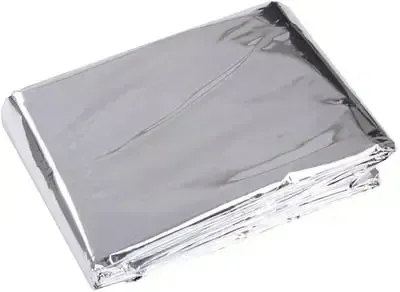
Rescue Ready Insulated Thermal Blanket 160x210 cm: Protection from Hypothermia on the Battlefield
In tactical medicine, hypothermia is part of the "deadly triad" along with acidosis and coagulopathy. It is important to understand: the wounded lose heat even in summer due to massive blood loss. The Rescue Ready Insulated Thermal Blanket is a critical element of the IFAK first aid kit and combat medic's backpack, designed to stabilize body temperature and save lives in extreme conditions.
How Rescue Ready Works and Benefits
The thermal blanket is made of durable isothermal foil, which reflects human thermal radiation back to the body. Thanks to the double-sided coating (silver/gold), the product ensures retention of up to 90% of its own heat.
- Effective thermal insulation: Indispensable in shock conditions and injuries to prevent critical cooling of the body.
- Double-sided functionality: The silver side reflects heat inward, the gold side — Provides high visibility for evacuation teams or absorbs solar heat.
- Ultra-compact: Weighing only 150g, the blanket folds to take up no more space than a pack of wipes, allowing it to fit in any pouch.
- Protection from the elements: Completely waterproof and windproof, making it a reliable barrier against rain and snow.
Rescue Ready Specifications
The Rescue Ready model is designed for harsh use. The large size (160x210 cm) allows you to completely wrap a fighter in full gear.
| Parameter | Value |
|---|---|
| Size in expanded form | 160 × 210 cm |
| Material | Metalized polyester (isothermal foil) |
| Color | Double-sided:Silver / Gold |
| Weight | ~150 g |
| Properties | Waterproof, windproof, ultra-light |
| Efficiency | Retains up to 90% of human body heat |
Multifunctionality in tactical use
In addition to its direct medical purpose, the Rescue Ready thermal blanket finds application in various scenarios:
- Signaling device: The shiny surface is clearly visible from the air, making it easier for search and rescue teams to find the injured.
- Temporary Shelter: Can be used as an awning to protect from precipitation or the scorching sun when setting up temporary positions.
- Thermal insulating bedding: Protection from cold and damp ground during long waits for evacuation or rest.
- Protection from overheating: If you turn the blanket with the silver side out, it will reflect the sun's rays, preventing heat stroke.
Combat Medic Recommendations (MARCH Protocol)
According to international protocols, the fight against hypothermia (item "H" - Hypothermia) should begin immediately after critical bleeding has stopped. Isolate the casualty from the ground as much as possible and wrap him tightly in a Rescue Ready blanket.
Important to remember: The thermal blanket itself does not generate heat - It accumulates body heat. Therefore, it is most effective to use it immediately after an injury, while the body is still warm.
Conclusion
The Rescue Ready Insulated Thermal Blanket 160x210 cm is a budget-friendly but vital tool that significantly increases the chances of survival of an injured person. Its durability, large size, and high reflective properties make it a standard in its class of equipment.
Frequently Asked Questions about the Insulated Thermal Blanket
How exactly does this blanket work? Does it warm itself?
No, the blanket does not generate heat. It works as a mirror for your body's infrared radiation. It returns your own heat back, creating a closed thermal circuit inside.
Which side to wrap yourself,If it is silver on both sides?
In the silver/silver models, it makes no difference which side you use it. If the model is gold/silver, then for warmth, use the silver side facing your body. The gold side on the outside makes you more visible to rescuers.
Can this blanket be reused?
Technically, yes, it does not lose its properties. However, folding it back to its factory size is almost impossible. It is usually used as a disposable blanket in emergency situations.
Does it protect from rain and wind?
Yes, the material (PET film) is completely air and water resistant. This is an excellent means of protection from a gale or downpour if you are left without a tent or jacket.
Why is it important not to press a blanket against your bare skin in freezing temperatures?
There should be an air gap (clothing) between the blanket and your body. If you apply the film to your skin, it can cause thermal conductivity, and you will feel cold. Also, if it fits tightly, condensation quickly accumulates inside.
What other uses for a blanket, besides medical ones?
Thanks to its reflective properties, it is often used:
- As a photographic reflector (light reflector).
- As a lining under a sleeping bag on the bottom of a tent.
- As a screen for reflecting heat from a fire.
Can this blanket be reused?
Technically, yes, it does not lose its properties. However, it is almost impossible to fold it back to its original size. It is usually used as a disposable blanket in emergency situations.
Does it protect from rain and wind?
Yes, the material (PET film) is completely air and water resistant. This is an excellent means of protection from squalls or heavy rain if you are left without a tent or jacket.
Why is it important not to press the blanket against your bare skin in freezing temperatures?
There should be an air gap (clothing) between the blanket and your body. If you apply the film to your skin, a thermal conductivity effect may occur and you will feel cold. Also, if it fits tightly, condensation quickly accumulates inside.
What other uses for a blanket, besides medical ones?
Thanks to its reflective properties, it is often used:
- As a photographic reflector (light reflector).
- As a lining under a sleeping bag on the bottom of a tent.
- As a screen for reflecting heat from a fire.
Can this blanket be reused?
Technically, yes, it does not lose its properties. However, it is almost impossible to fold it back to its original size. It is usually used as a disposable blanket in emergency situations.
Does it protect from rain and wind?
Yes, the material (PET film) is completely air and water resistant. This is an excellent means of protection from squalls or heavy rain if you are left without a tent or jacket.
Why is it important not to press the blanket against your bare skin in freezing temperatures?
There should be an air gap (clothing) between the blanket and your body. If you apply the film to your skin, a thermal conductivity effect may occur and you will feel cold. Also, if it fits tightly, condensation quickly accumulates inside.
What other uses for a blanket, besides medical ones?
Thanks to its reflective properties, it is often used:
- As a photographic reflector (light reflector).
- As a lining under a sleeping bag on the bottom of a tent.
- As a screen for reflecting heat from a fire.
Why is it important not to press a blanket against your bare skin in freezing temperatures?
There should be an air gap (clothing) between the blanket and your body. If you apply the film to your skin, it can cause thermal conductivity, and you'll feel cold. Also, if it fits tightly, condensation quickly accumulates inside.
What other uses for a blanket, besides medical ones?
Thanks to its reflective properties, it is often used:
- As a photographic reflector (light reflector).
- As a lining under a sleeping bag on the bottom of a tent.
- As a screen for reflecting heat from a fire.
Why is it important not to press a blanket against your bare skin in freezing temperatures?
There should be an air gap (clothing) between the blanket and your body. If you apply the film to your skin, it can cause thermal conductivity, and you'll feel cold. Also, if it fits tightly, condensation quickly accumulates inside.
What other uses for a blanket, besides medical ones?
Thanks to its reflective properties, it is often used:
- As a photographic reflector (light reflector).
- As a lining under a sleeping bag on the bottom of a tent.
- As a screen for reflecting heat from a fire.