


|
Quantity
|
Out of stock
|
||
|
|
|||
|
|
|||
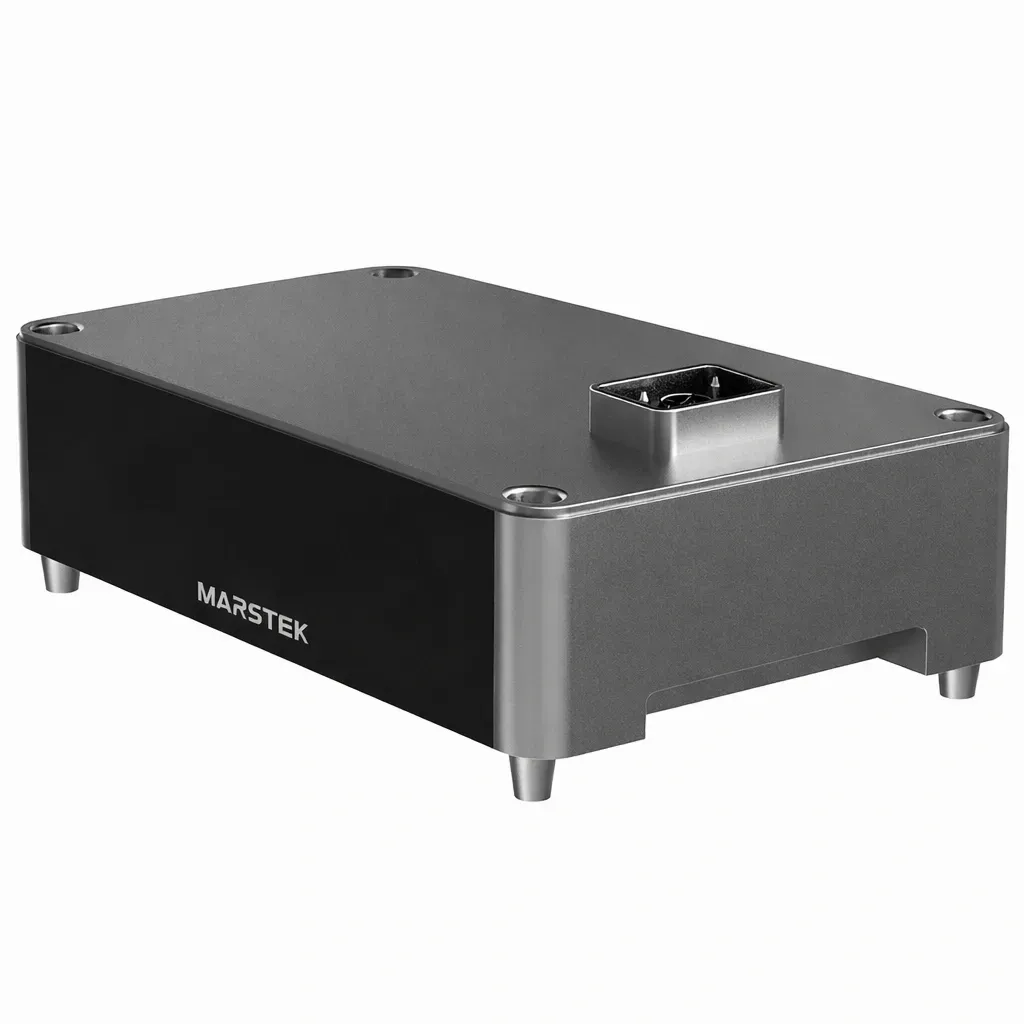
MARSTEK VENUS-A Additional Battery (2120 Wh): Scaling Energy Independence
In modern warfare, mission duration often depends on the energy stored in batteries. The MARSTEK VENUS-A Additional Battery is a key module for expanding the capabilities of your power system. With a capacity of 2120 Wh, this unit instantly doubles or triples the battery life of critical equipment, turning the base station into a full-fledged power reserve for long-term operations.
Why use the VENUS-A Additional Battery in the field?
When a unit operates away from logistics routes, every watt-hour counts. The MARSTEK additional battery is designed specifically for situations where the standard capacity is insufficient to power powerful electronic warfare systems, large UAV charging hubs, or stationary communication nodes.
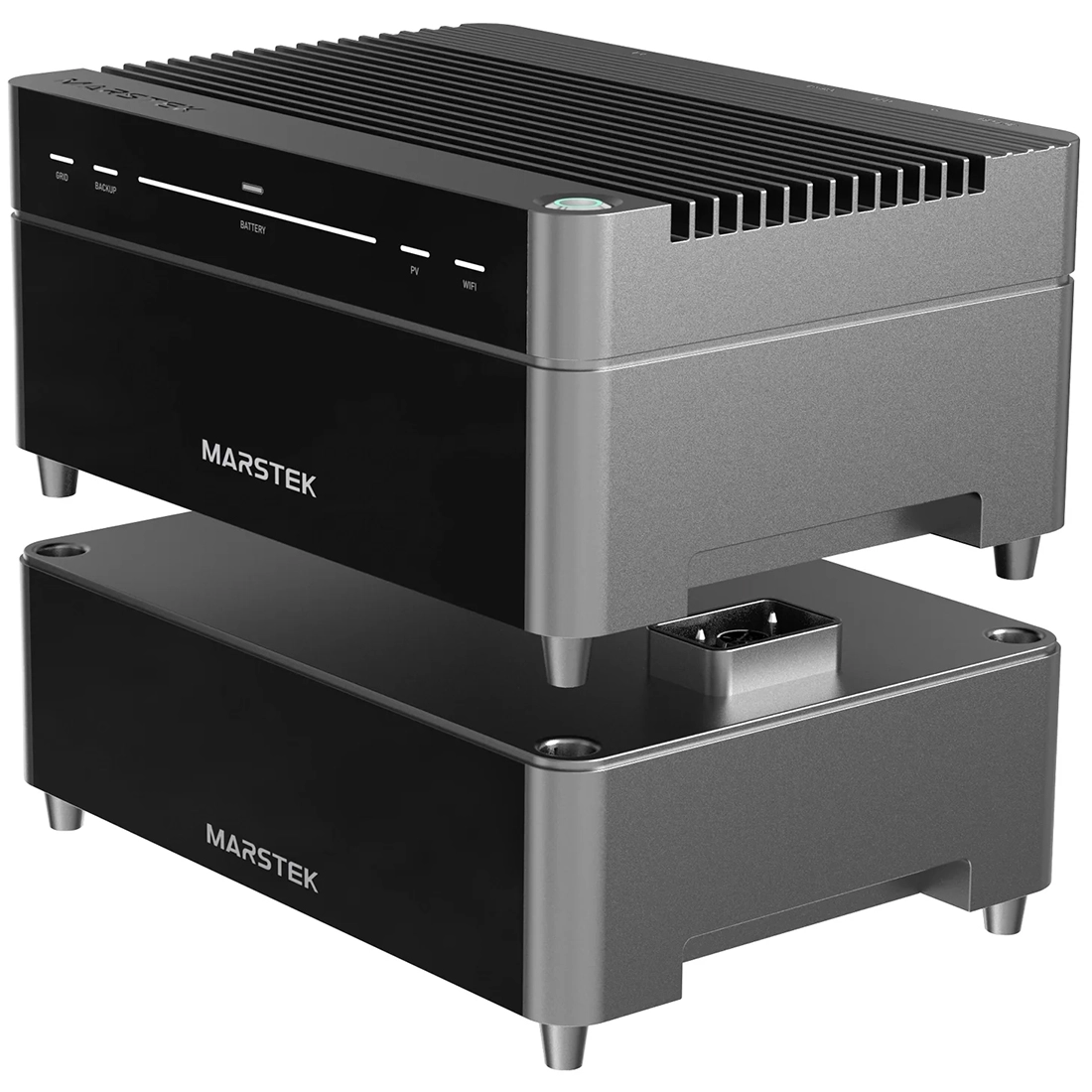
- Plug & Play Modularity: Connection does not require complex settings or special tools. The system automatically recognizes the additional module, allowing for capacity expansion during the mission.
- LiFePO4 Technology (6000+ Cycles): The use of premium lithium-iron-phosphate cells guarantees stable system operation for many years. This is the safest type of batteries: they do not overheat and do not pose a threat during physical exertion or damage to the case.
- Tactical flexibility: The ability to add modules only when necessary allows for a balance between the mobility of the group and the required energy capacity of the object.
Technical and tactical characteristics (TTC) add. MARSTEK VENUS-A batteries
Thanks to the use of high-voltage architecture, energy transfer between the main unit and the additional battery occurs with minimal losses, which increases the overall efficiency of the entire system.
| Parameter | Characteristic value |
|---|---|
| Purpose | Expansion of the capacity of the MARSTEK VENUS-A system |
| Capacity | 2120 Wh (2.12 kWh) |
| Battery type | LiFePO4 (Lithium iron phosphate) |
| Battery life | more than 6000 cycles (up to 80% capacity) |
| Connection type | Modular, Plug & Play (quick connector) |
| Compatibility | Only with the main MARSTEK VENUS-A system |
| Operating temperature range | from -20°C to +45°C |
Benefits of scalable capacity for units:
- Connectivity: With the additional module, the Starlink terminal will be able to operate 20-24 hours longer without recharging from the grid or generator.
- UAV charging hub: An additional 2120 Wh allows for an additional 35-40 fully charged Mavic 3 batteries, providing continuous reconnaissance for several days.
- Electronic Warfare Power: Maintains stable operation of electronic warfare systems that consume large amounts of power to suppress enemy signals.
Important Note: The MARSTEK VENUS-A auxiliary battery is designed to work together in a single intelligent ecosystem. The built-in BMS (battery management system) of the main unit automatically balances the charge between all connected modules, protecting them from overload and deep discharge.
Conclusion: Maximum energy for a combat advantage
The MARSTEK VENUS-A 2120 Wh auxiliary battery is a reliable way to build the "energy muscles" of your power system. When the outcome of an operation depends on the availability of light and the operation of the devices, the choice in favor of a reliable and capacious expansion module becomes obvious.
FAQ: Six questions about expanding the MARSTEK VENUS-A system
Why buy an additional battery for the VENUS-A station?
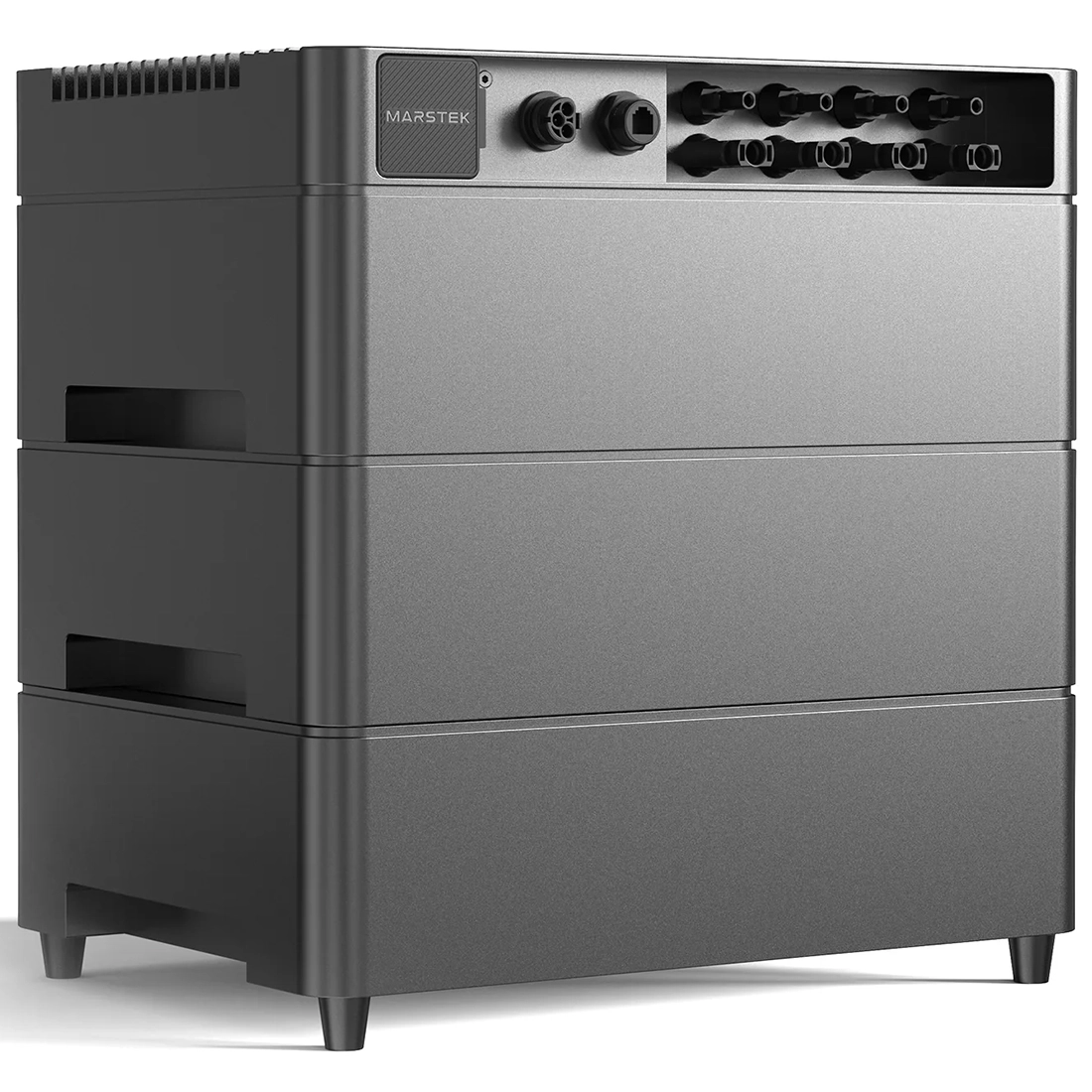
To double the autonomy. One battery adds 2120 Wh. When combined with the main unit, you get 4240 Wh, which will allow your home office or photo studio to work twice as long without recharging.
How long does this module last?
The LiFePO4 cells are rated for $6,000+$ cycles. That's over 15 years of daily use. Even after a decade of active use, the battery will retain most of its capacity.
How do I connect the module to the main station?
Plug & Play system: modules simply stack on top of each other. The station instantly "sees" the expansion and combines the capacity into a single array without additional settings.
Protection and use in harsh environments?
The IP65 rating guarantees protection from dust and water. The battery operates reliably at temperatures ranging from -20°C to +60°C, making it suitable for installation on balconies or in unheated garages.