


|
Quantity
|
Out of stock
|
||
|
|
|||
|
|
|||
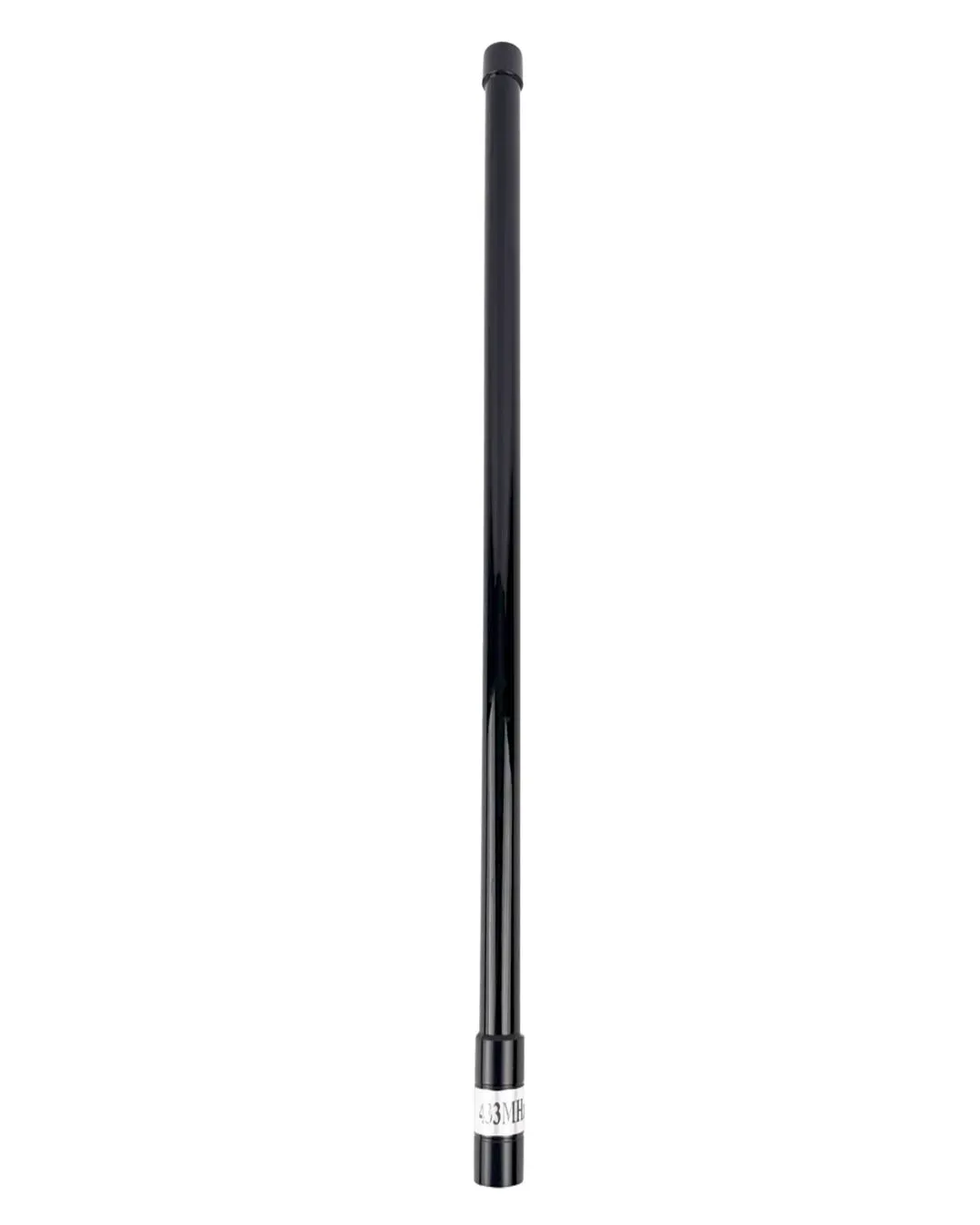
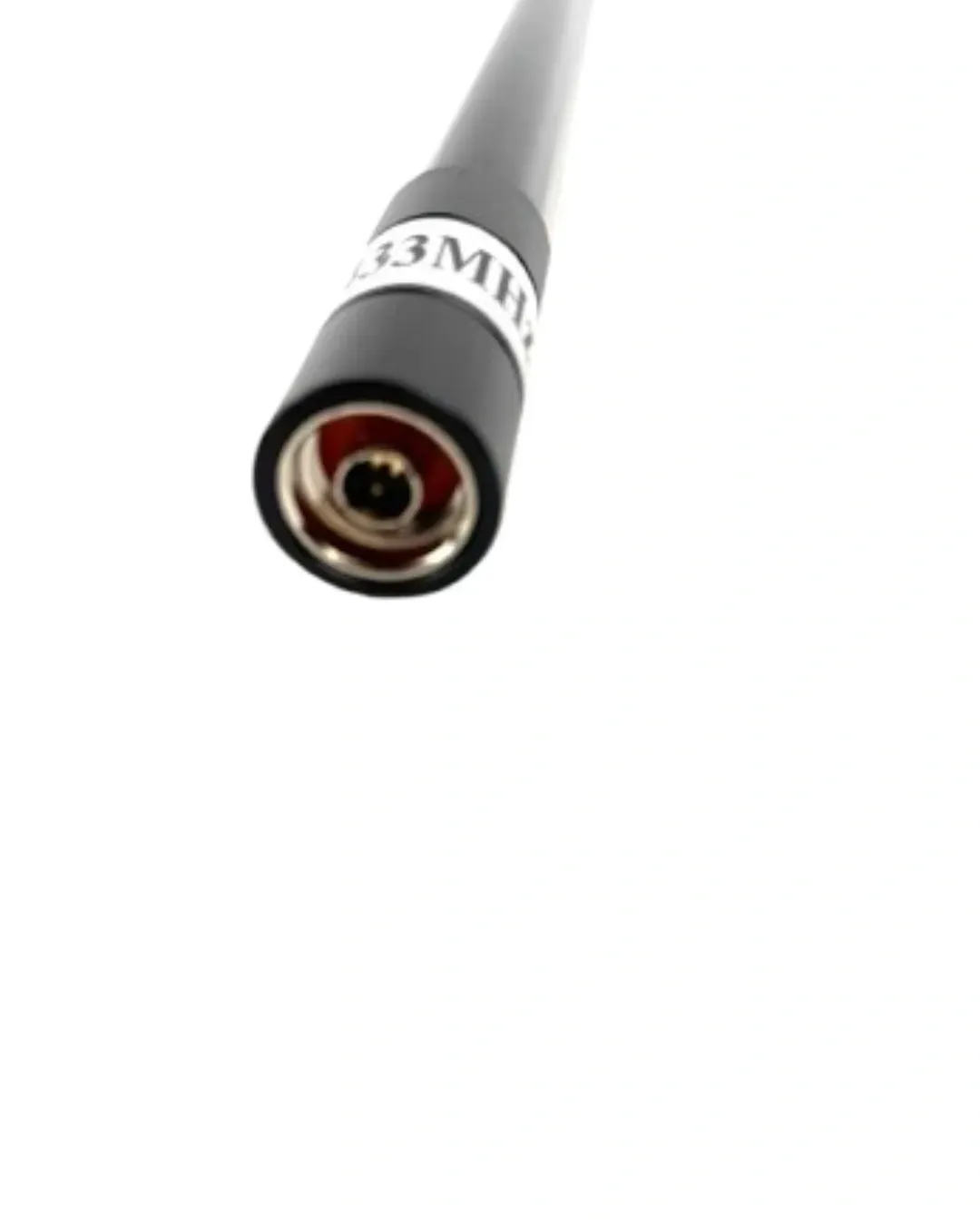
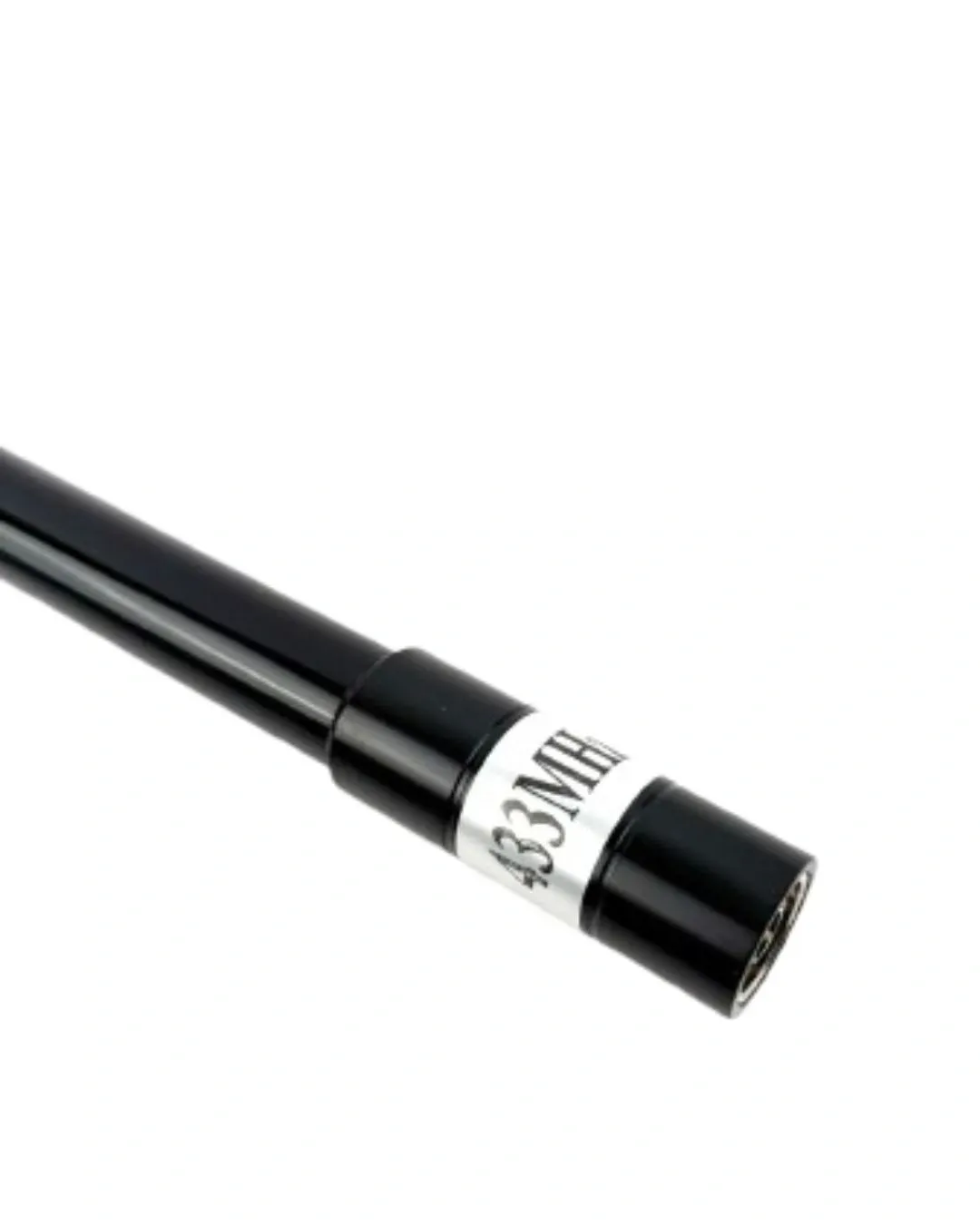
433 MHz Collinear Antenna (60 cm): A Reliable Solution for Tactical Communications and UAVs
In modern combat, the 433 MHz band remains one of the most critical for controlling unmanned aerial vehicles (UAVs) and ensuring stable radio communications over long distances. The 433 MHz Collinear Antenna, 60 cm long is a professional tool designed to boost the signal and extend the range of tactical equipment. Thanks to its omnidirectional design, it provides confident 360° coverage, which is vital for mobile groups and fixed posts.
Why is the 433 MHz band strategically important?
The LPD band (433 MHz) is characterized by high obstacle avoidance and significant wave propagation range in rugged terrain and forest belts. Using a professional collinear antenna allows you to:
- Increase control range: Stable communication with reconnaissance drones and attack UAVs over long distances.
- Efficiency in electronic warfare: Use in electronic warfare modules to suppress enemy communication and control channels.
- Penetration ability: Better performance in densely populated areas or forests compared to higher frequencies (800/900 MHz).
Technical and tactical characteristics (TTX)
This model combines compact dimensions and optimal gain, which makes it universal for various types of tasks.
| Parameter | Characteristic value |
|---|---|
| Operating frequency range | 433 MHz |
| Antenna type | Collinear,Omnidirectional |
| Gain | 3 - 5 dBi |
| Input Impedance | 50 Ohm |
| Polarization | Vertical |
| Physical Length | 60 cm |
| Pattern | 360º (horizontal) |
Advantages of a Collinear Design for Frontline Conditions
Unlike conventional dipole antennas, a collinear structure "presses" the main radiation lobe to the horizon. This eliminates the need to waste transmitter energy on radiation "into the sky," concentrating it parallel to the earth's surface.
1. Omnidirectionality without "dead zones"
The antenna operates at 360°, allowing it to receive and transmit signals from any direction. This is critical for dome-type electronic warfare systems and command posts, where the direction to an object can constantly change.
2. Optimal gain of 3-5 dBi
This level of gain provides an ideal balance: the antenna has a wide enough vertical pattern to maintain communication even with slight tilts of the mast or vehicle movement, but at the same time focuses the signal significantly better than standard "stock" antennas.
3. Reliability and Stability (50 Ohms)
Full impedance match (50 Ohms) ensures low VSWR, protecting the output stages of your radio or EW module from overheating and failure.
Applications:
- Drone Control: Use as an external antenna for control panels or repeaters.
- Tactical Radio Networks: Signal boosting for communication between units in a combat zone.
- Anti-Drone Systems: Effective component for detecting or suppressing UAVs operating in the 433 MHz band.
Expert Advice: For maximum range, mount the antenna at the highest accessible point. With a length of 60 cm, it can be easily mounted on masts or vehicle roofs without creating unnecessary sail load.
Conclusion: Your Confidence on the Air
433 MHz Collinear Antenna (60 cm) is a time-tested component that guarantees communication stability in the most challenging electronic environments. If your task is to ensure uninterrupted control or reliable protection, this antenna will be your best choice.
Tactical FAQ: Six Questions About the 433 MHz Antenna (UHF Spectrum)
Why is the 433 MHz band critical again?
It's a classic that's back. When the 900 band became too crowded, the enemy began using 433 MHz (LPD) en masse for FPV kamikazes and airdrops. This antenna covers exactly the area where the enemy is counting on your unpreparedness.
What does a 60 cm length provide for the antenna's performance?
For this frequency, 60 cm is the ideal size for a collinear stack. This allows for significant signal gain without wasting energy. It's like replacing a regular lens with a high-quality telephoto lens: you suppress targets at a much greater distance.
How does "collinearity" change the shape of the protective dome?
The collinear design "compresses" radio waves vertically. The energy is not wasted in the sky, but is distributed in a powerful flat “pancake” along the horizon. This maximizes the suppression radius exactly where the drones are flying.
Can I use a Baofeng radio while this electronic warfare system is operating?
No. The 433 MHz band is the main field for most radios. Electronic warfare will completely “burn out” the airwaves for voice within a radius of 300-500 meters. Coordination should be switched to VHF (136-174 MHz) or Starlink, which does not notice this interference.
Correct installation on a car?
The best place is the center of the pickup roof is mounted on a powerful magnet. The metal roof serves as a reflector (ground plane). Mounting it on plastic or the edge of the body can reduce the suppression efficiency by 40%.
What is the main danger for the electronic warfare module when working with this antenna?
Risk of high SWR. The antenna is strictly tuned to 433 MHz. If you connect it to a 900 MHz module,The energy will return to the device and burn it out in seconds. Always check the frequency match before turning it on.